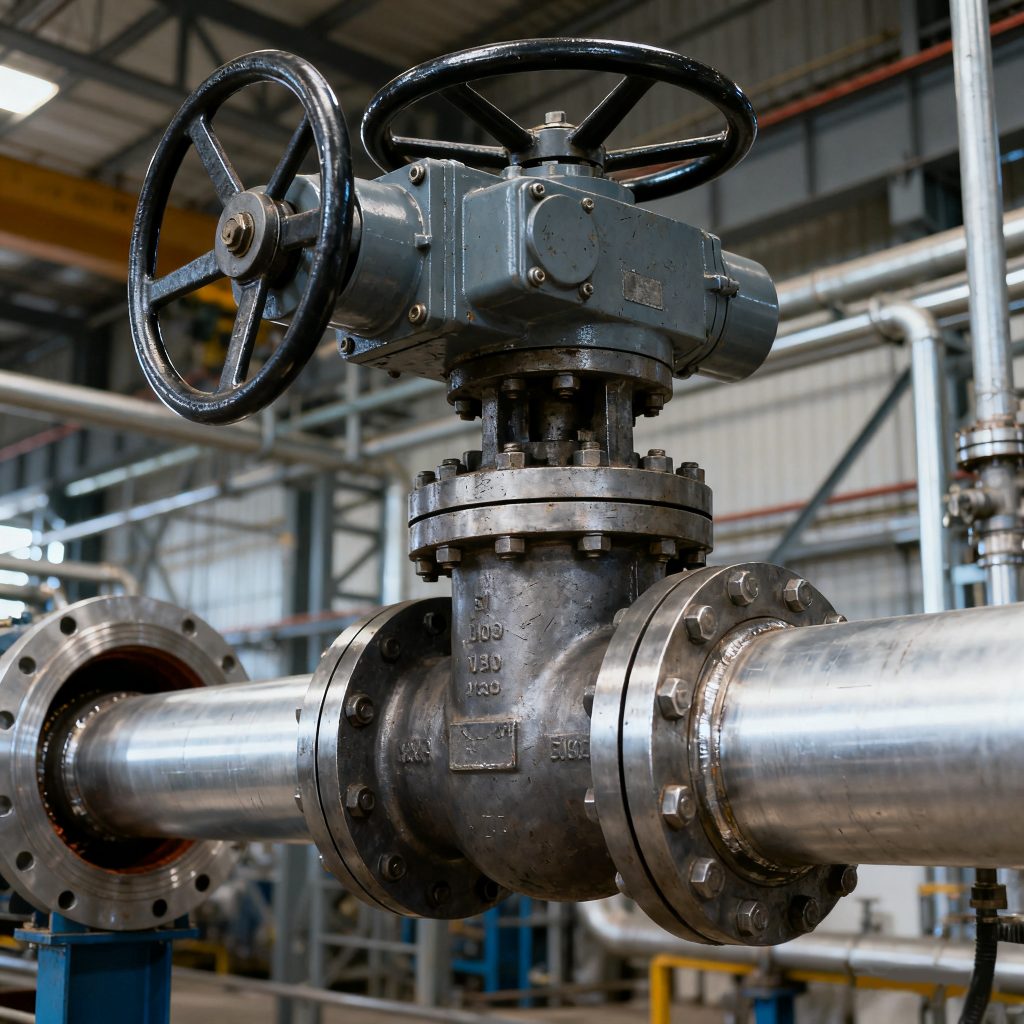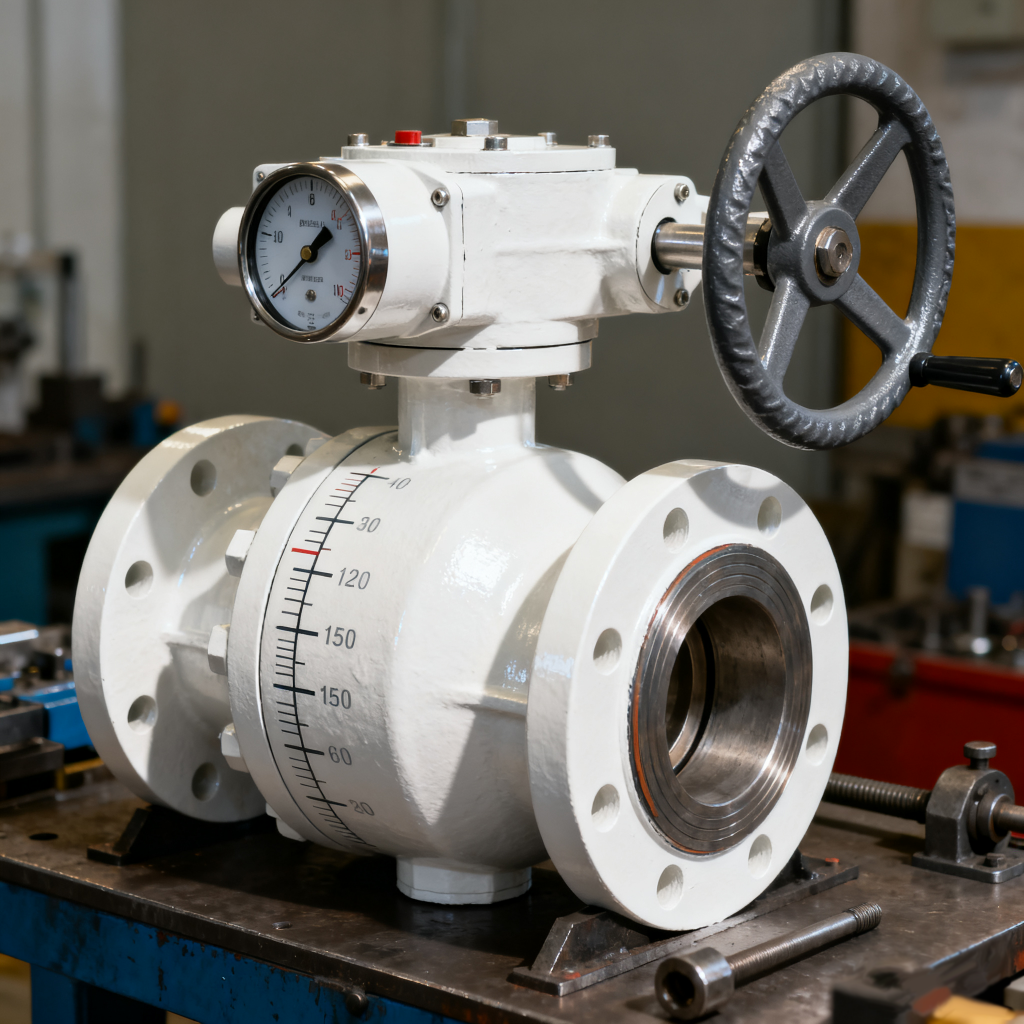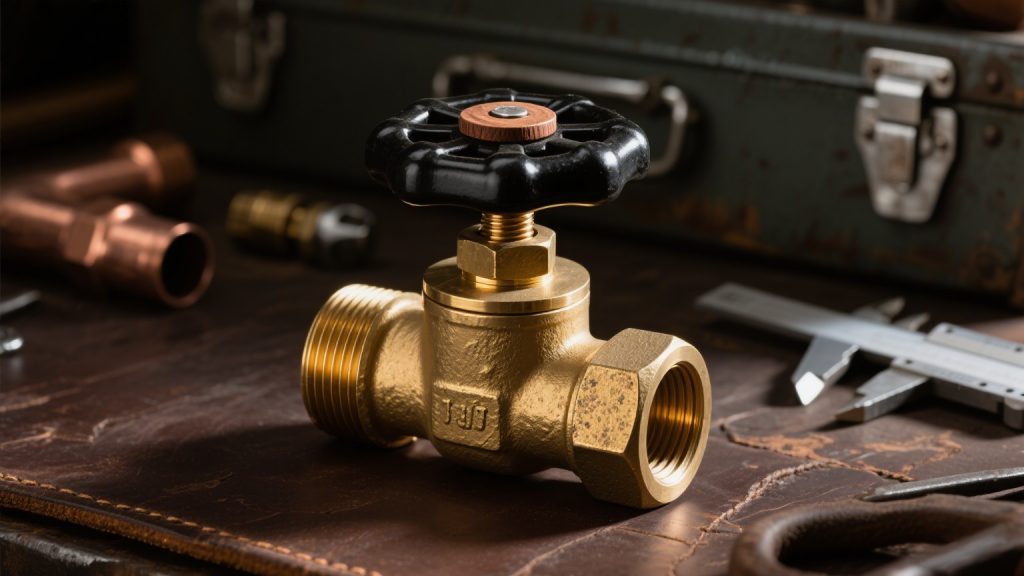
In industrial systems, valves decide whether operations run smoothly or stop. With electric actuated valves integrated into modern control systems, you get precise flow control, automation, and safety. But the wrong choice can cause inefficiency, downtime, or even failures. This guide shows how to choose the right and most suitable electric actuated valves for your operation.
1.Understand Your Application
Every good selection begins with context. Start by defining what exactly the valve must handle.
- Fluid type: Liquids, gases, and slurries behave differently. A valve that thrives in clean water service might corrode rapidly in acidic chemicals or clog in slurry.
- Operating conditions: Flow rate, pressure, and temperature dictate the kind of valve and actuator required. The setup for a high-pressure steam line differs significantly from that required for a chilled water loop.
- Environmental factors: Humidity, dust, vibration, or chemical vapors can affect both the valve body and the electric actuators.
Simply put: if you misjudge the environment, you misjudge the valve—and risk disrupting your entire control system.
2.Valve Types and Their Applications
The choice of valve body defines the kind of control you’ll get. Here are the most common types, each suited for specific tasks:
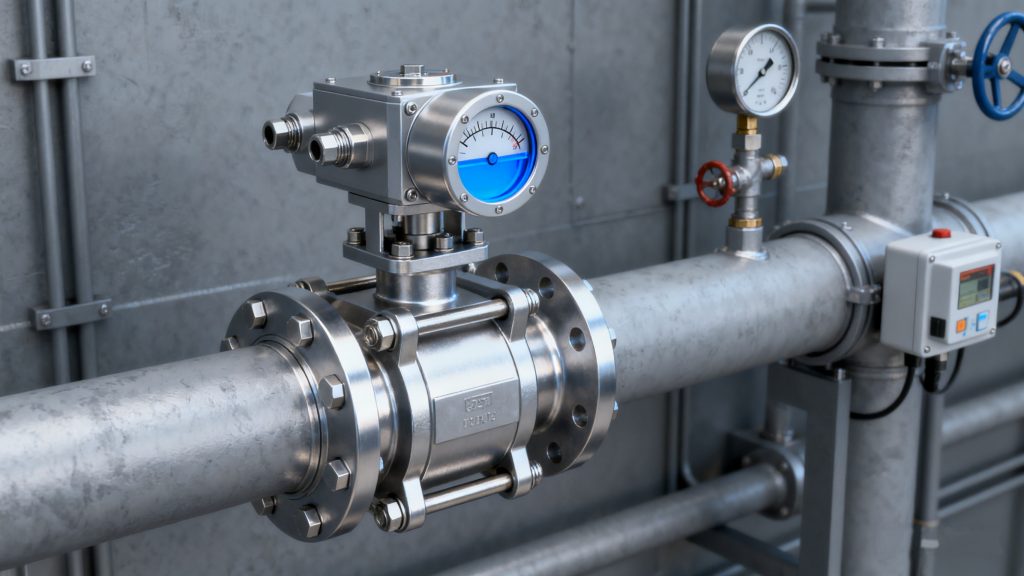
- Ball valves: Ideal for quick shut-off, offering tight sealing and minimal leakage. Perfect for applications needing fast isolation.
- Butterfly valves: Designed for large-diameter pipelines with moderate pressure. Lightweight, cost-effective, and efficient for HVAC and water distribution.
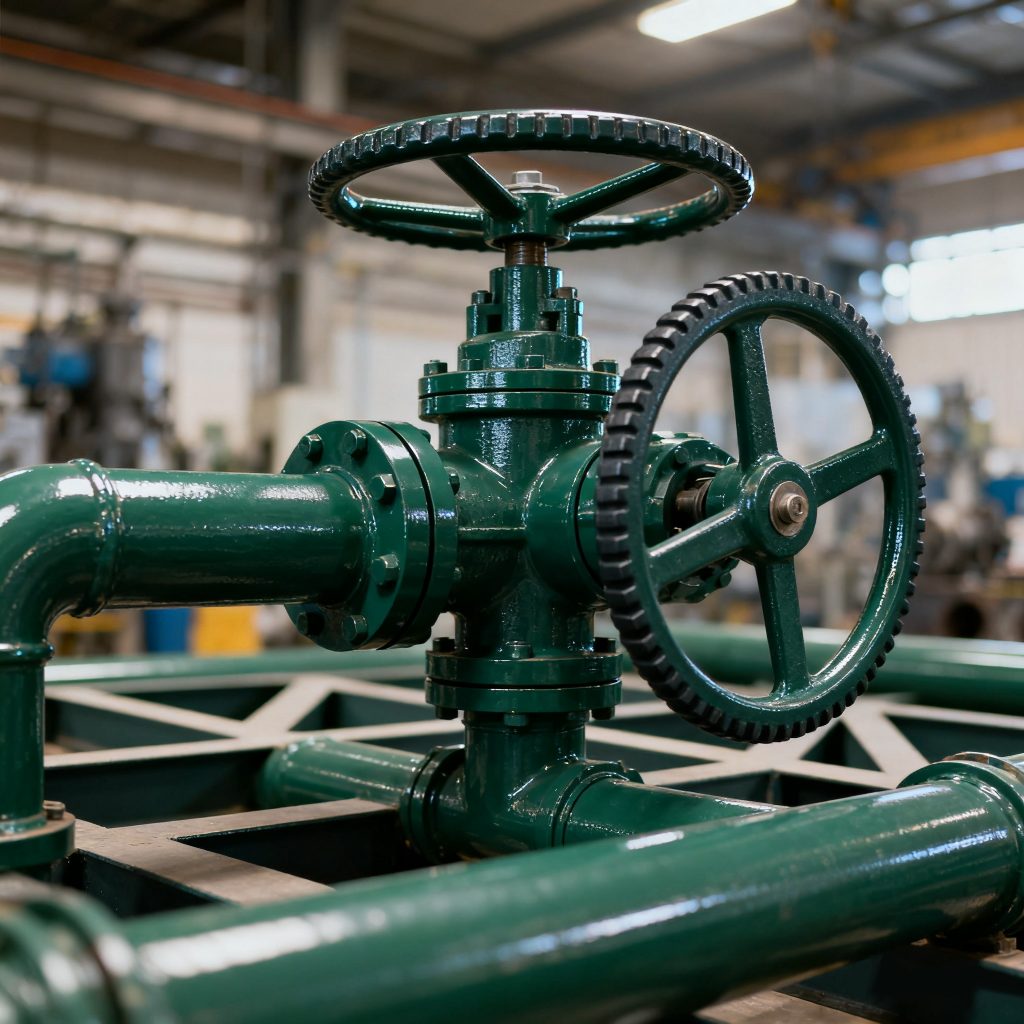
- Gate valves: Built for isolation in systems where flow must be either fully open or fully closed.
- Globe valves: The go-to for flow regulation and precise throttling. Excellent for control applications.
- Check valves: Non-return designs that prevent backflow and protect pumps, compressors, and pipelines.
3.Material Considerations
The body material must survive not just the process fluid but the entire operating environment.
- Stainless steel: Excellent corrosion resistance and mechanical strength, suitable for chemicals, seawater, and food-grade service.
- Carbon steel: Preferred in high-pressure and high-temperature pipelines.
- Plastics (PVC, CPVC, PP): Lightweight and resistant to many corrosive chemicals, though limited in pressure and temperature tolerance.
- Bronze: Affordable and effective in low-pressure systems, particularly in HVAC and marine use.
Choose poorly, and you risk premature wear, leakage, or costly replacement.
4.Actuator Specifications
The actuator is the muscle of the valve, driving precise motion in control systems—getting this wrong undermines performance. For a deeper understanding of industrial automation standards, refer to resources like pneumaticautomation.com, which provide detailed insights into actuator technologies. Consider:
- Voltage requirements: Will your site supply AC or DC? And what is the required voltage: 24 V, 110 V, or 230 V?
- Control signals: Use On/Off for basic isolation; use 4–20 mA or 0–10 V for precise control.
- Speed and torque: Heavy-duty valves need actuators with higher torque, while some processes demand fast response.
Select the actuator to match the valve’s duty cycle, size, and environment.
5.Installation and Maintenance
Ease of installation and integration with existing control systems often determine whether an actuator valve investment pays off.
- Connection types: Flanged, threaded, or welded connections all influence maintenance accessibility.
- Maintenance needs: Some valves allow in-line servicing; others require full removal.
- Spare parts availability: Choose suppliers with a strong after-sales network and readily available spares to reduce downtime.
6.Compliance and Standards
Industrial operations must stay compliant to avoid fines, downtime, and safety risks. You can find helpful reference materials on international standards at worddisk.com. Always check for:
- ISO certifications: Guaranteeing international quality assurance.
- API and ANSI standards: Widely recognized in oil, gas, and petrochemical applications.
- CE marking: Required for many European installations.
Certified products ensure not only safety but also smoother audits and approvals.
7.Cost and Value
Recommendation to purchase the most cost-effective option. But the total cost of ownership tells the real story.
- Upfront cost vs. lifecycle cost: Cheaper valves may fail faster, require frequent maintenance, and cause more downtime.
- Warranties and support: A solid warranty and responsive technical support reduce risk.
- Energy consumption: High-efficiency actuators reduce lifecycle costs over years of service.
Consider it an investment rather than a cost.
8.Innovative Features
Valve technology is advancing fast. Consider options that future-proof your system:
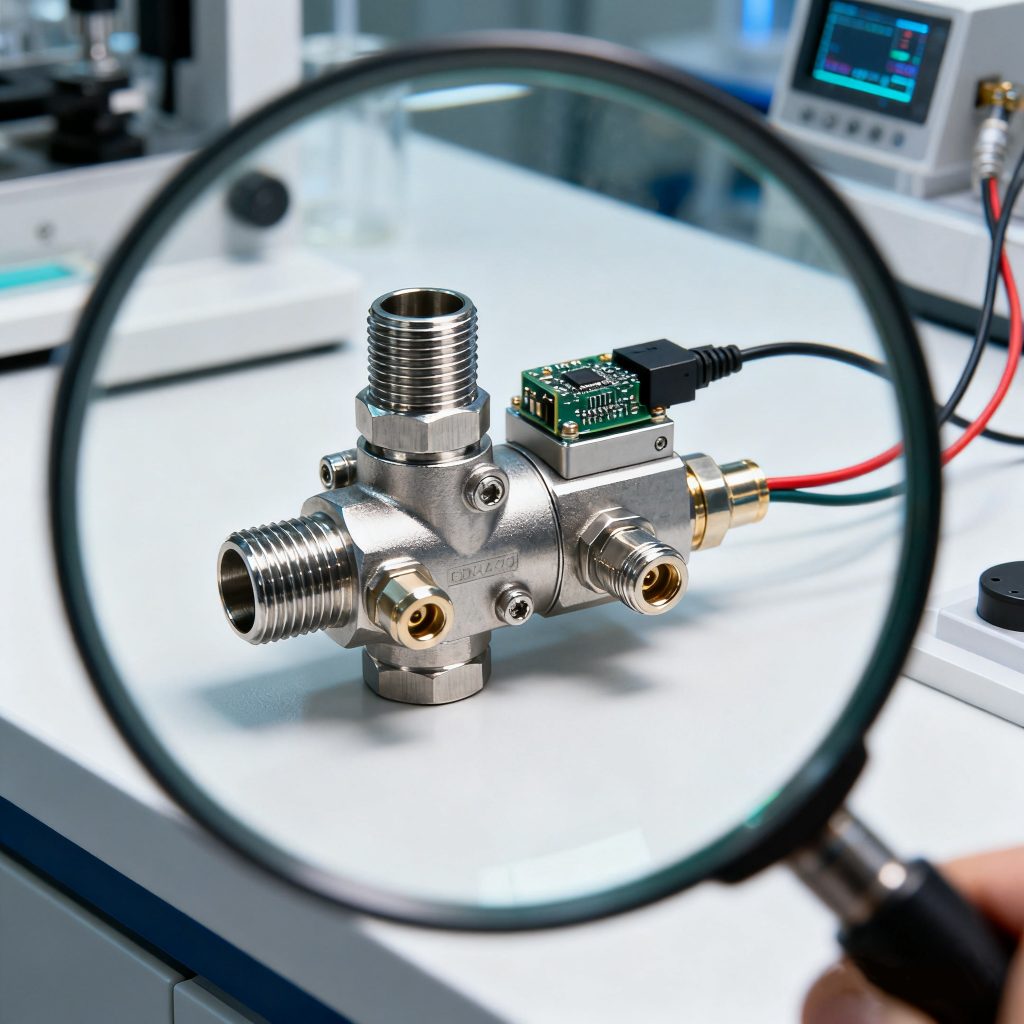
- Smart actuators: Equipped with IoT integration, enabling predictive maintenance and remote monitoring.
- Energy-efficient designs: Lower power draw without compromising torque.
- Diagnostic capabilities: Built-in sensors that provide real-time performance insights.
These innovations improve uptime and reduce surprises.
9.Environmental and Ethical Considerations
Modern industries have highly resposible to balance performance with sustainability.
- Eco-friendly designs: Valves engineered for reduced emissions and energy use.
- Ethical sourcing: Manufacturers that adhere to labor, safety, and sustainability practices contribute to corporate responsibility goals.
Choosing responsibly benefits both operations and reputation.
Conclusion
The right electric actuated valve is more than a component—it’s a safeguard for efficiency, safety, and reliable control system performance. From understanding fluid characteristics to evaluating actuator specs, materials, standards, and lifecycle costs, every decision compounds into long-term performance.
A well-chosen valve doesn’t just control flow. It controls downtime, operational costs, and peace of mind.
About Products
Interested in our products and technologies? Visit our Electric Actuated Valve page to explore more details and options.