Manual Valves
On a human scale—millimeter precision, century-grade reliability.
Next-Level: Precision You Can See, Lifespan You Can Count.
- 0.1 mm travel, visualized—mechanical memory pointer + laser scale, read at a glance.
- Zero power, zero electronics—stays rock-solid on day one, even during blackouts, blizzards, or explosive atmospheres.
- 100-year design life—nitrided stem + Stellite seat, no re-grinding for life.
Manual Valves Series
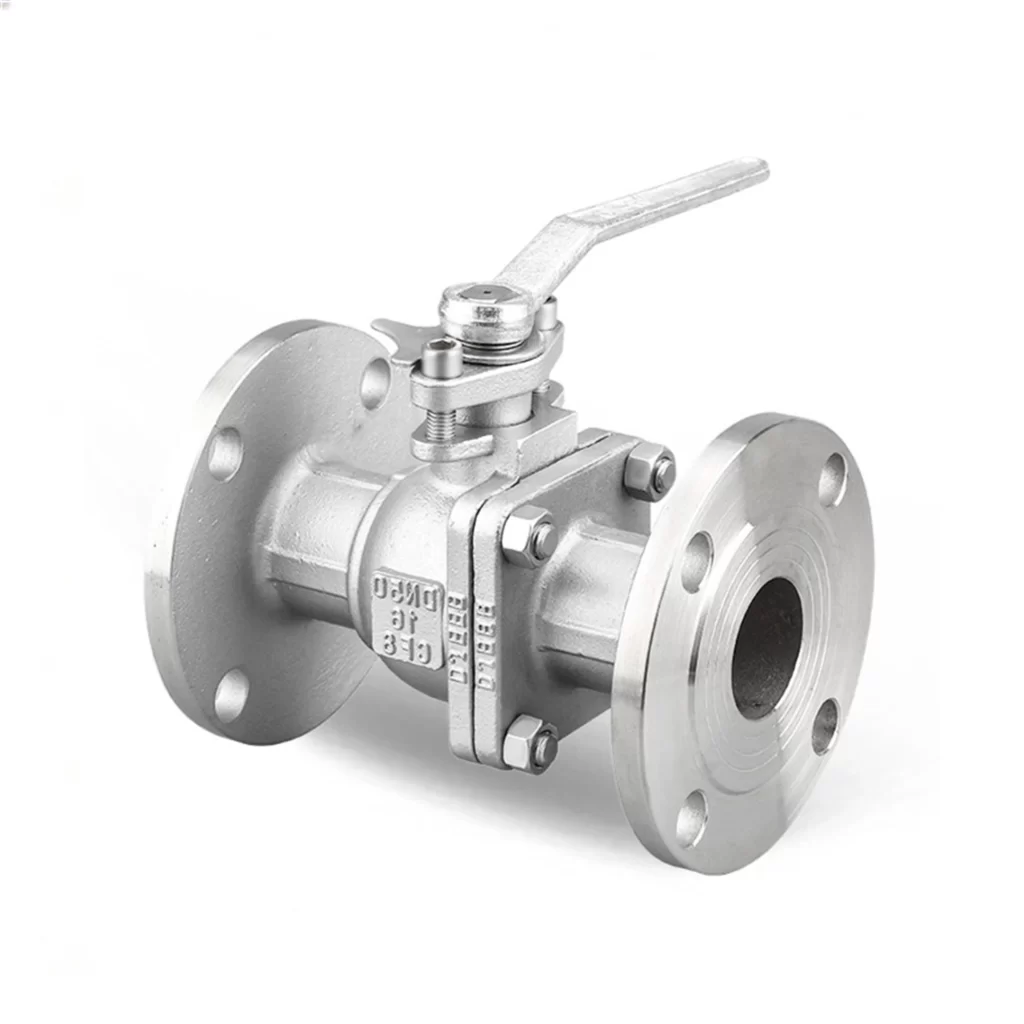
Ball Valves
A 90° lever swing spins the sphere for instant bubble-tight shut-off and wear-free sealing in high-cycle, high-pressure pipelines.
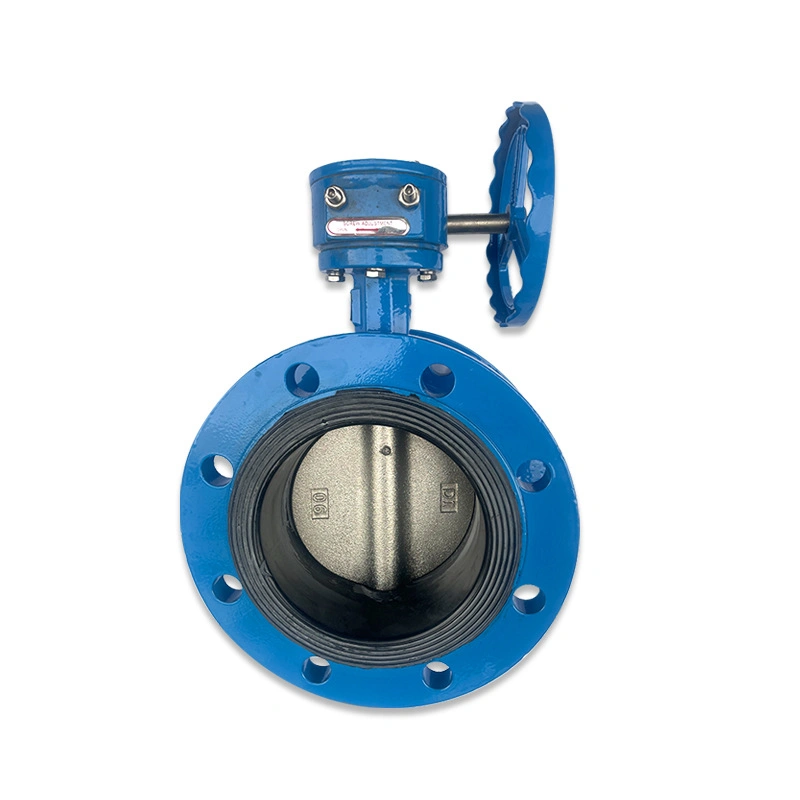
Butterfly Valves
A simple hand-wheel turns the slim disc 90°, delivering rapid, low-torque isolation and accurate flow control in large-bore, space-tight systems.
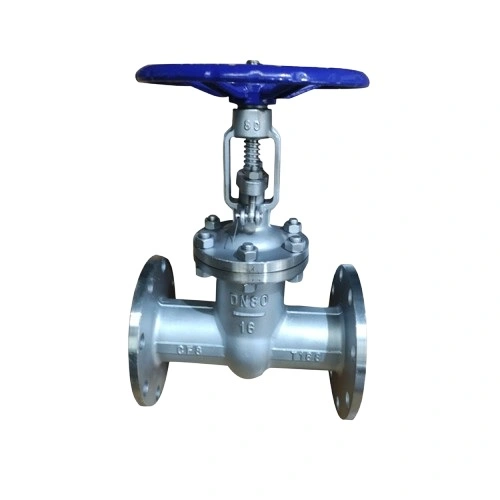
Gate Valves
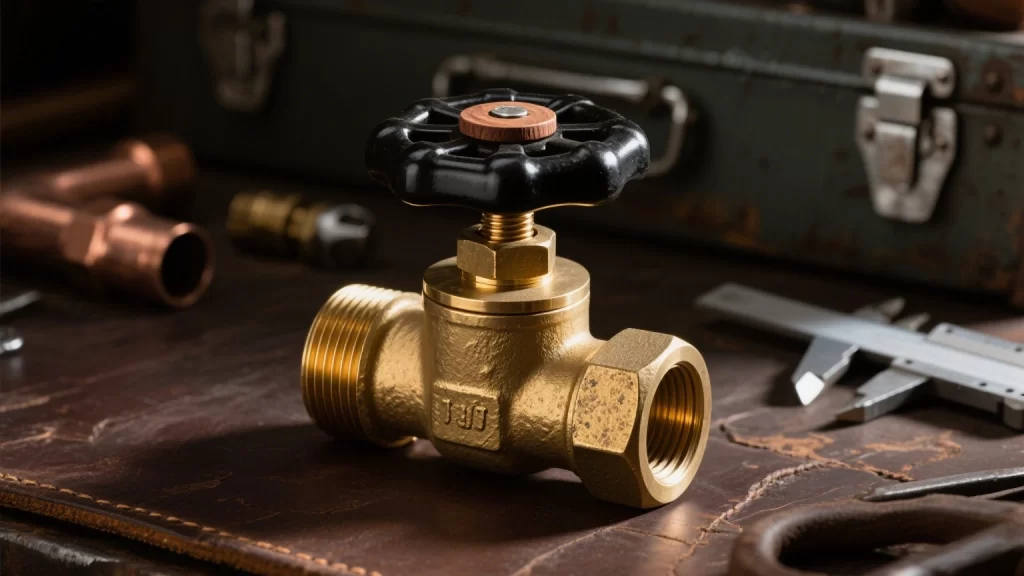
A few clockwise turns raise the solid wedge, creating full-bore, pressure-tight isolation with zero flow restriction for straight-pipe, low-loss duties.
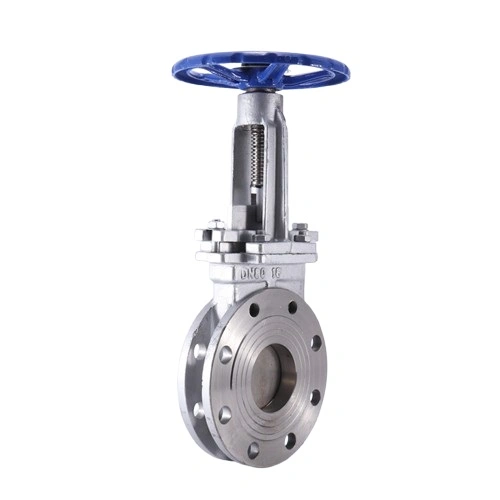
Knife Gate Valves
One quick hand-wheel stroke drives the razor-edged blade, slicing through thick slurries and providing bi-directional, drop-tight shut-off in abrasive lines.
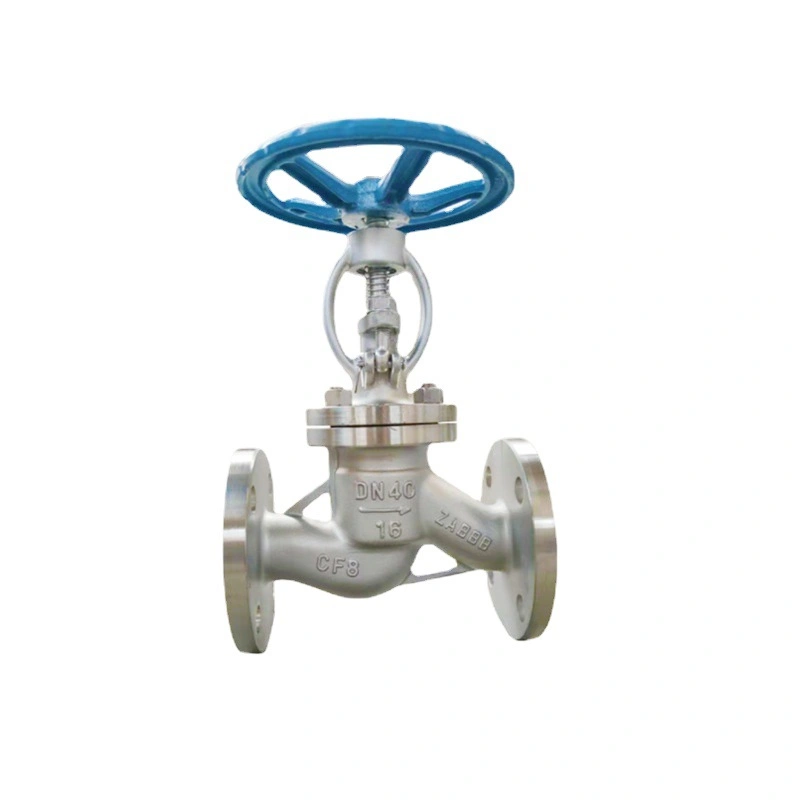
Globe Valves
Finger-tip wheel rotation advances the plug along the guided stem, granting linear throttling and Class VI shut-off under high-ΔP, high-temperature process loops.
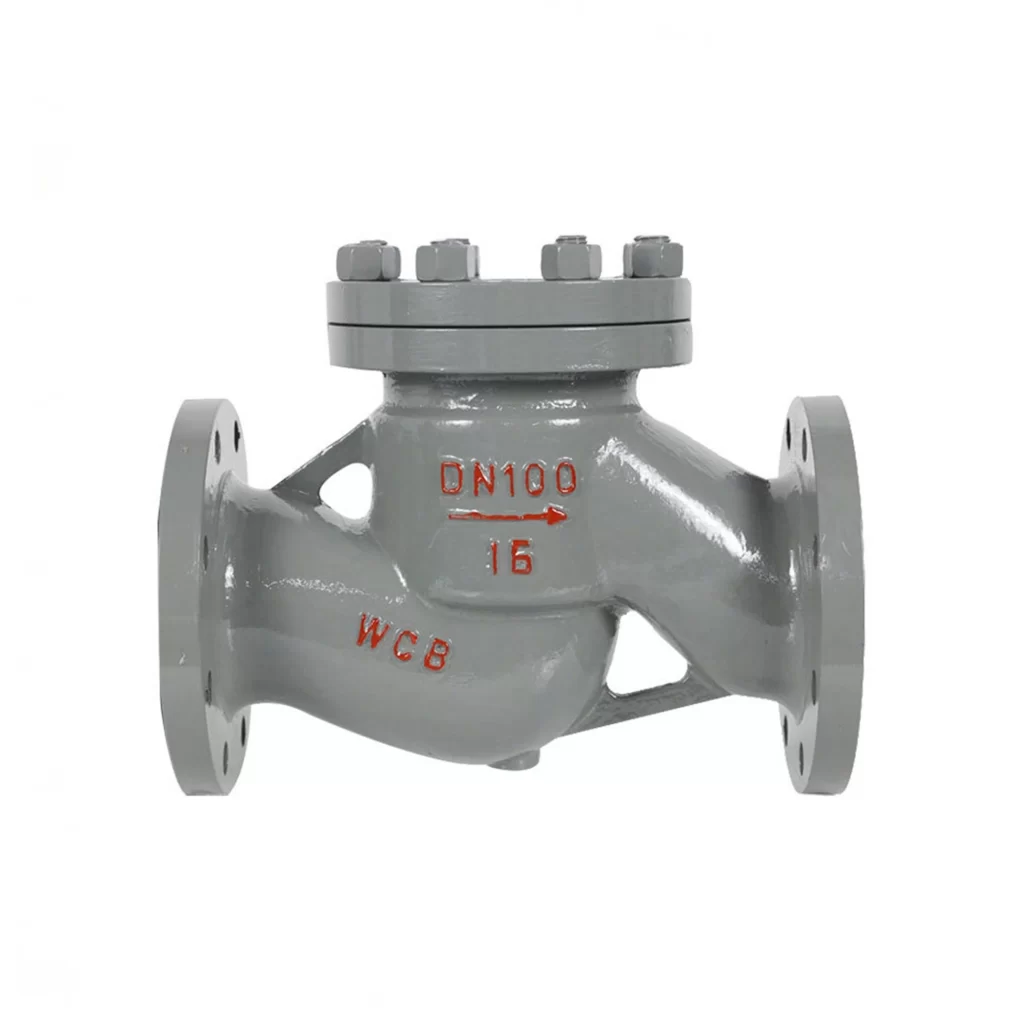
Check Valves
Flow itself lifts the gravity-assisted disc, opening wide for minimum loss and snapping back to prevent water-hammer and back-flow—no hand action required.
Relational Guide
How do I choose the right type of manual valve for my application?
Consider the media, pressure, temperature, pipe size, and valve function:
- Ball Valve: Fast, reliable shut-off
- Butterfly Valve: Compact solution for large-diameter pipelines
- Gate Valve: Full-bore isolation with low flow resistance
- Knife Gate Valve: Slurries, solids, and abrasive media
- Globe Valve: Flow regulation and throttling
- Check Valve: Backflow prevention
What is the difference between manual ball, butterfly, and gate valves?
- Ball Valve: Fast quarter-turn operation and reliable shut-off
- Butterfly Valve: Lightweight and compact, ideal for larger pipe sizes
- Gate Valve: Full-bore flow path for pipeline isolation
Choose based on pipe size, available space, flow requirements, and operating conditions.
When should I use a knife gate valve instead of a gate valve?
Choose a Knife Gate Valve for challenging media such as:
- Slurries and wastewater
- Pulp and fibrous media
- Powders and bulk solids
- Abrasive or viscous media
For cleaner fluids and general pipeline isolation, a Gate Valve is often more suitable.
When should I choose a globe valve instead of a ball or gate valve?
- Globe Valve: For flow regulation and throttling
- Ball Valve: For fast on/off isolation
- Gate Valve: For full-bore isolation
Choose a globe valve when precise flow control is more important than minimizing pressure drop.
Do manual valves require an actuator, or can they be operated by hand?
Manual valves are operated directly using a handwheel, lever, or other manual mechanism.
- Manual: Suitable for accessible valves and infrequent operation
- Pneumatic/Electric Actuator: Better for frequent, remote, or automated operation
Which type of manual valve is best for preventing backflow?
A Check Valve is typically used to prevent backflow.
- Allows flow in the intended direction
- Automatically closes when reverse flow occurs
- Helps protect pumps and other pipeline equipment
Select the check valve based on the media, pressure, flow rate, and installation requirements.