
Solenoid Valves
Power In, Fluid Out — Sub-Second Switching Solenoid Valve for Zero-Leak Fluid Control
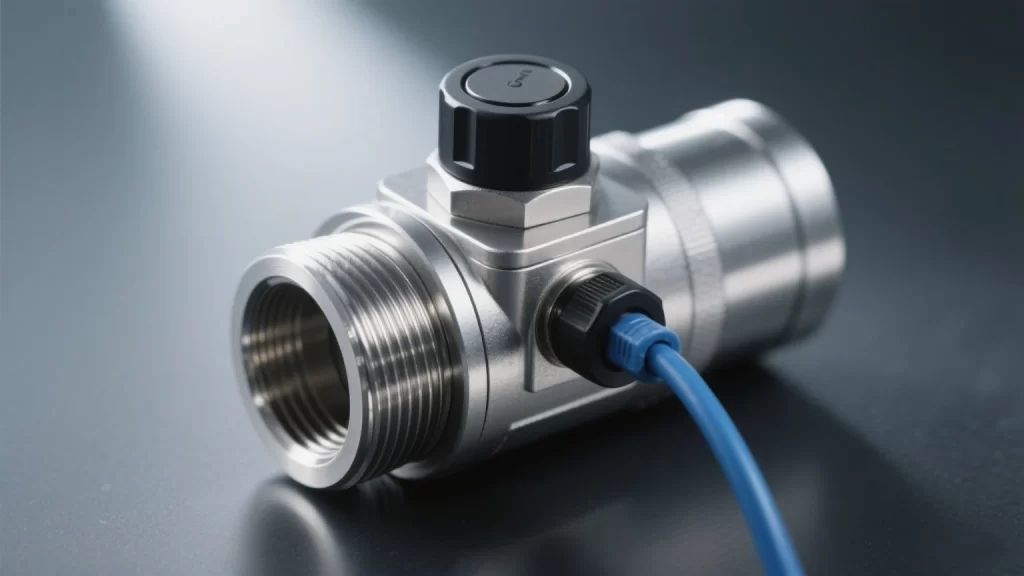
What makes you trust a solenoid valve easily?
Solenoid valves deliver fast, compact, and efficient fluid control for small-diameter clean-fluid systems, providing:
Ultra-fast switching for precise, high-cycle operation.
Compact, lightweight design for tight-space installations.
Stable control in small-bore clean-media loops with long service life.
Easy automation integration that lowers cost and boosts efficiency.
When speed and reliability matter, a solenoid valve delivers clean, efficient, and dependable control in every cycle.
Solenoid Valves Series
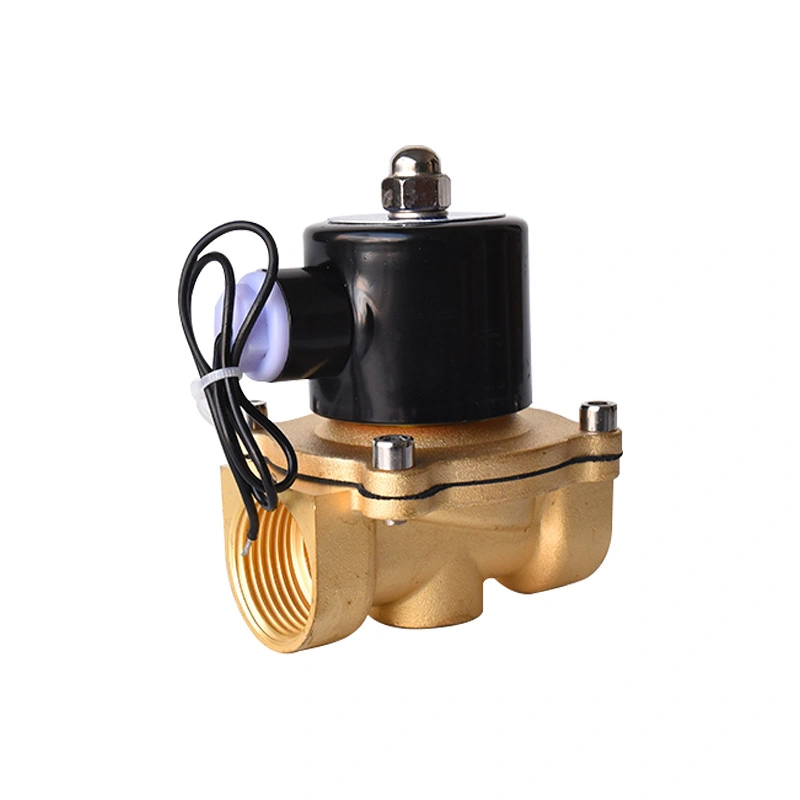
Water Solenoid Valves
Engineered for precise and efficient water flow control, fast-acting solenoid valves ensures quick shutoff, reliable sealing, and long-lasting performance. Constructed with wear-resistant brass to ensure long service life of automated systems.
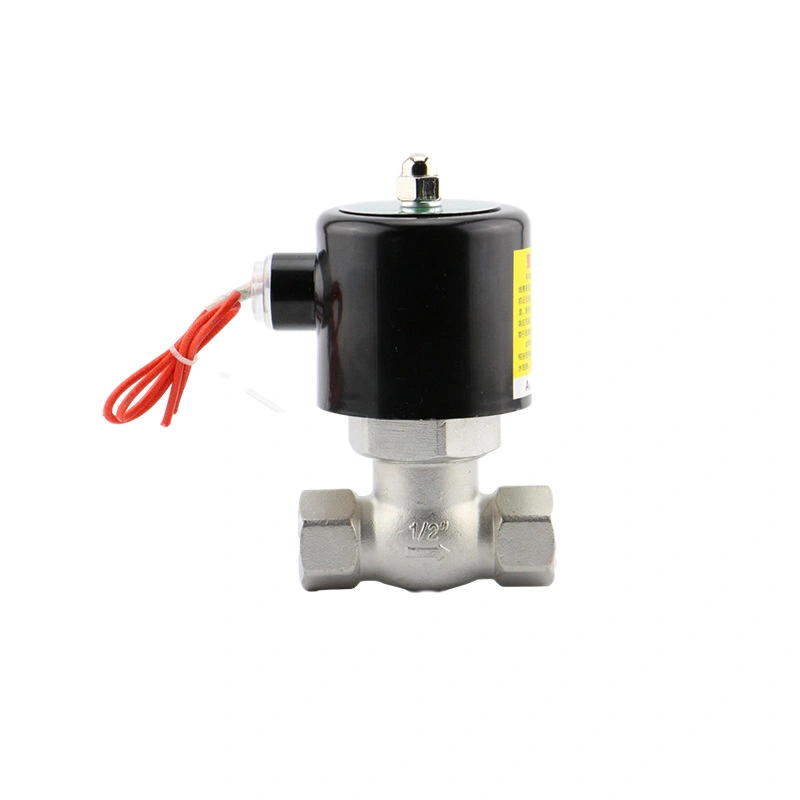
High-Temperature Steam Solenoid Valves
Designed for high-temperature steam applications, these solenoid valves offer fast switching, reliable sealing, and cost-effective performance. Built with heat-resistant materials for long-term durability, they minimize energy use and maintenance costs.
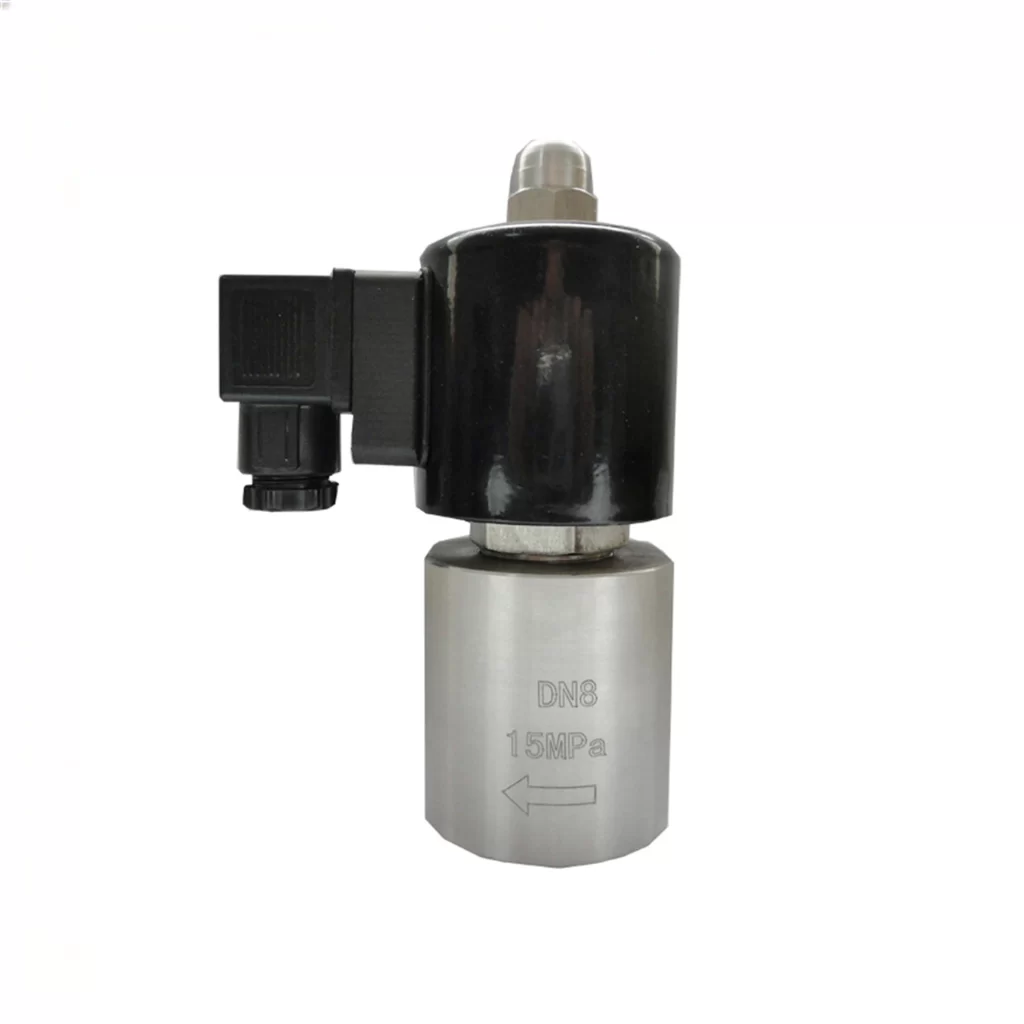
High-pressure Solenoid Valves
Designed for high-pressure systems, this solenoid valve offers superior pressure resistance, quick response, and reliable sealing with a durable stainless steel body for long-lasting, safe operation.
Relational Guide
How do I choose the right solenoid valve for my application?
Choose a solenoid valve based on the media, pressure, temperature, flow rate, connection size, operating principle, and coil voltage. The valve type should also match whether the application requires normally closed (NC) or normally open (NO) operation.
What is the difference between normally closed (NC) and normally open (NO) solenoid valves?
A normally closed (NC) valve remains closed when the coil is de-energized and opens when energized. A normally open (NO) valve works in the opposite way. Choose the configuration based on the required valve position when power is off.
What is the difference between direct-acting and pilot-operated solenoid valves?
Direct-acting solenoid valves operate the valve directly through the solenoid and can work without a minimum pressure differential. Pilot-operated valves use system pressure to assist operation and are generally suitable for higher flow rates and larger valve sizes.
How do I choose the right material and seal for a solenoid valve?
Material selection depends mainly on the media and operating temperature. Brass is commonly used for general-purpose fluids, while stainless steel is preferred for more corrosive or demanding applications. Seal materials such as NBR, EPDM, FKM, and PTFE should be selected according to media compatibility and temperature requirements.
What information do I need to provide when ordering a solenoid valve?
For accurate selection and quotation, provide the media, pressure range, temperature, flow rate, connection size, valve type, NC/NO configuration, coil voltage, and required body and seal materials.