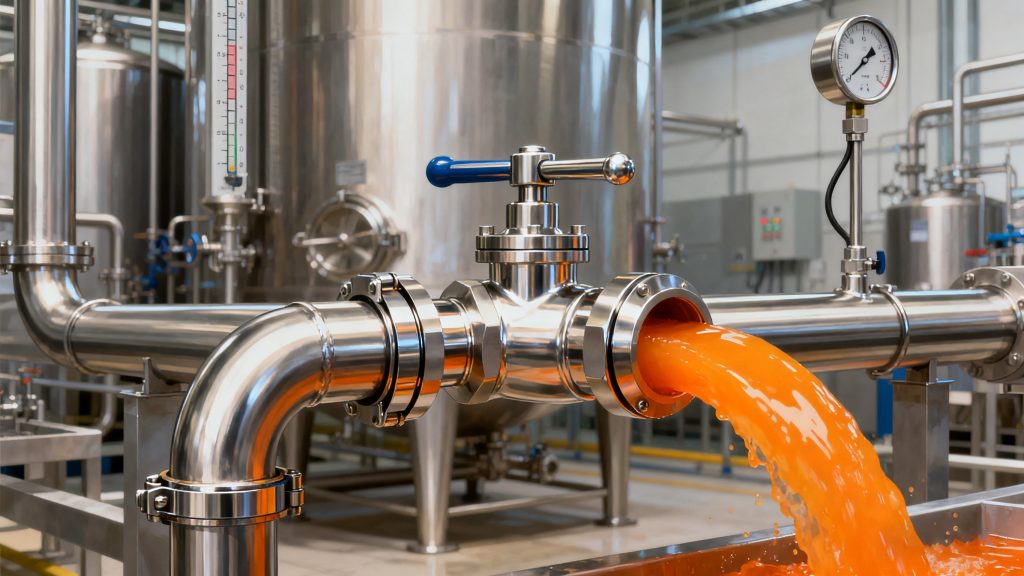
Valves are critical in water and wastewater treatment systems. They control water, chemicals, and sludge flow, ensuring safe and efficient plant operation. Choosing the right valve reduces maintenance, prevents downtime, and improves performance. Understanding valve types and functions helps buyers select efficient, cost-effective solutions that directly affect water quality and system reliability.
1.Why Valves Matter
Valves regulate flow, pressure, and protect pipelines. Non clogging valves handle solids efficiently, while precision control valves maintain accurate chemical dosing. Proper selection prevents equipment damage and ensures compliance with environmental standards.

2.Common Valve Types
- Gate valves: On/off control for large pipelines.
- Butterfly valves: Lightweight, ideal for flow regulation.
- Ball valves: Tight shut-off, easy operation.
- Check valves: Prevent backflow.
- Knife gate / non clogging valves: Handle solids efficiently.
Choosing the right type for each application improves efficiency and reduces maintenance costs. For example, Know The Flow offers detailed insights into how local water treatment processes and types of treatment impact valve selection and overall flow performance in municipal systems.
3.Key Selection Factors
Consider fluid type, temperature, pressure, and solids content. Corrosion resistance is essential for water and wastewater treatment. Flow requirements determine whether a valve needs precise control or simple shut-off. Easy maintenance reduces downtime and costs, while proper valve choice contributes to better water quality and system efficiency.
4.Valve Materials
- Cast/ductile iron: Cost-effective for non-corrosive water.
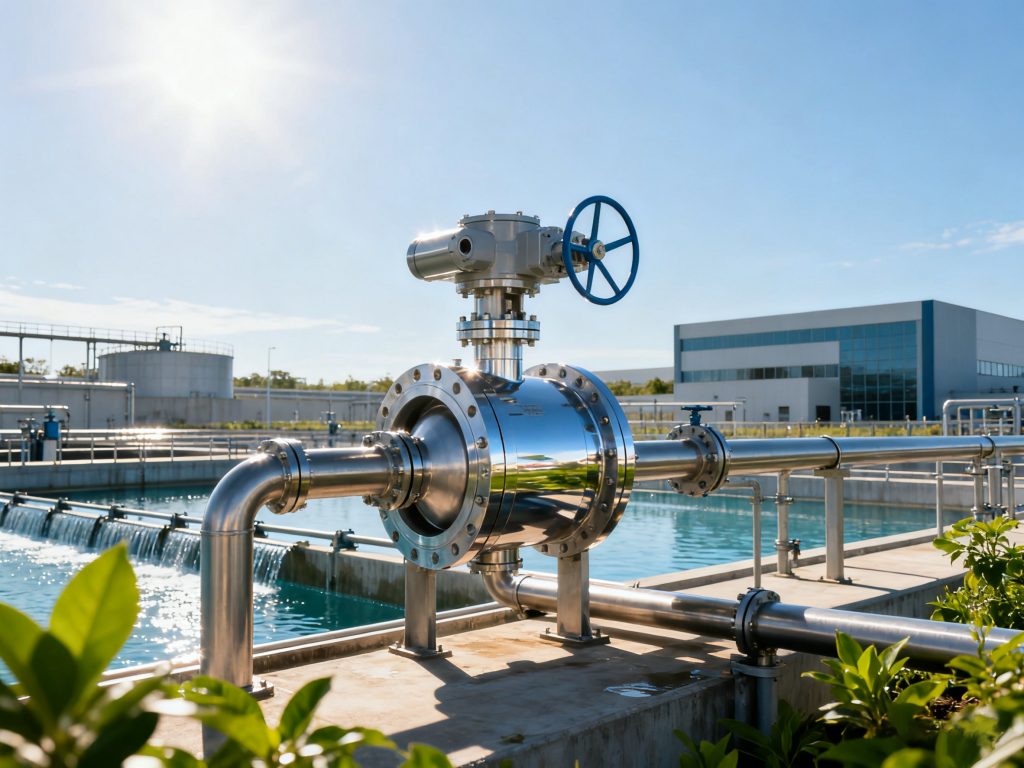
- Stainless steel: Corrosion-resistant, ideal for chemical dosing.
- Rubber/epoxy-lined valves: Handle abrasive slurries.
- PVC/CPVC: Lightweight, chemical-resistant, low-pressure systems.
Durable materials extend service life and reliability.
5.Flow Control vs On/Off
Control valves such as butterfly or globe valves regulate flow precisely, making them essential for dosing, pressure balance, and maintaining stable water quality. They allow gradual adjustment to achieve accurate flow control across different stages of water and wastewater treatment.
On/off valves, including gate or ball valves, are used to isolate pipelines during maintenance or system shutdowns. Their simple open-and-close function ensures minimal pressure loss and reliable sealing. Using each valve type correctly helps maintain smooth operation, reduce energy use, and lower maintenance costs.

6.Automation and Smart Valves
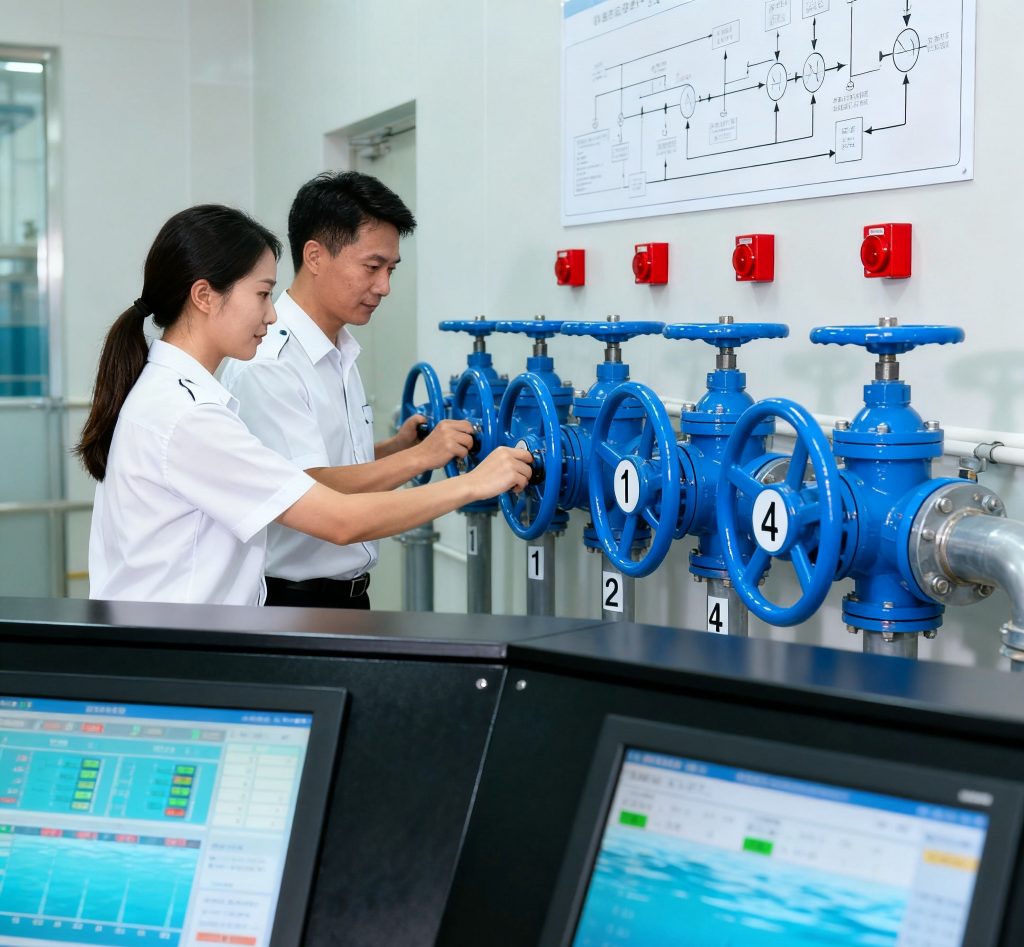
Smart valves, including solenoid and motorized control valves, allow remote operation, real-time monitoring, and precise adjustments. Integration with SCADA or PLC systems improves safety, efficiency, and reduces manual intervention.
For insights on modern automation, filtration, and smart control integration in water and wastewater systems, visit AMFS Filtration — a trusted source for advanced filtration technology and water quality management.
7.Maintenance Tips
Simple valves like gate or ball valves are easier to maintain than complex control valves. Regular cleaning, lubrication, and seal checks prevent leaks and extend valve life. Accessibility and spare part availability should guide selection.
8.Valve Sizing
Correct sizing avoids flow restriction or pump damage. Consider flow rate, pressure, and pipeline diameter. Use manufacturer sizing charts to match valves with system requirements for smooth operation and energy efficiency.
9.Valves for Different Stages
- Intake: Gate/butterfly valves for on/off control.
- Chemical dosing: Precision control valves for accurate flow.
- Filtration: Diaphragm valves for smooth flow.
- Sludge: Knife gate/non clogging valves handle solids.
Matching valves to treatment stages improves performance and prevents downtime.
10.Common Issues and Troubleshooting
Leaks, clogging, corrosion, and poor flow control are common problems. Non clogging valves may still need cleaning. Regular inspection and monitoring extend valve life. Adjust actuators or sensors for control valves when necessary.
11.Case Examples
- Municipal sewage plant: Knife gate valves handled sludge efficiently.
- Water treatment chemical dosing: Motorized control valves maintained stable disinfectant levels.
- High-volume pipelines: Butterfly valves ensured smooth flow and energy savings.
These cases show the importance of matching valve type, material, and size to the application.
12.Tips for Buyers
- Match valve type to application (sludge, dosing, clean water).
- Choose corrosion-resistant materials.
- Evaluate maintenance ease and spare parts availability.
- Verify standards (ANSI, API, NSF).
13.Future Trends
The industry is moving toward smart, energy-efficient, and automated valves. IoT-enabled valves allow predictive maintenance and data monitoring. Sustainable materials and designs are increasingly preferred, making automation, durability, and efficiency standard in modern plants.
14.FAQs
Q1: How often should valves be maintained?
A: Every 6–12 months, check seals, lubrication, and operation.
Q2: Best material for corrosive wastewater?
A: Stainless steel or rubber/epoxy-lined valves.
Q3: Can smart valves integrate with existing systems?
A: Yes, compatible with SCADA and PLC.
Q4: What is a non clogging valve?
A: Designed to handle solids without blocking, common in sludge/sewage.
Conclusion
Selecting the right valve is crucial for efficient, reliable, and safe water and wastewater treatment. Focus on type, material, size, and function. Non clogging, corrosion-resistant, and smart valves improve performance. Proper sizing and stage-specific selection ensure smooth operation and energy efficiency. Verify standards and maintenance requirements for optimal long-term operation.
About Project
For more insights into how the right valves enhance water and wastewater treatment efficiency, explore our Water and Wastewater Treatment Valve Solutions section. Discover application-specific designs, material options, and automation systems that ensure reliable performance and improved water quality.