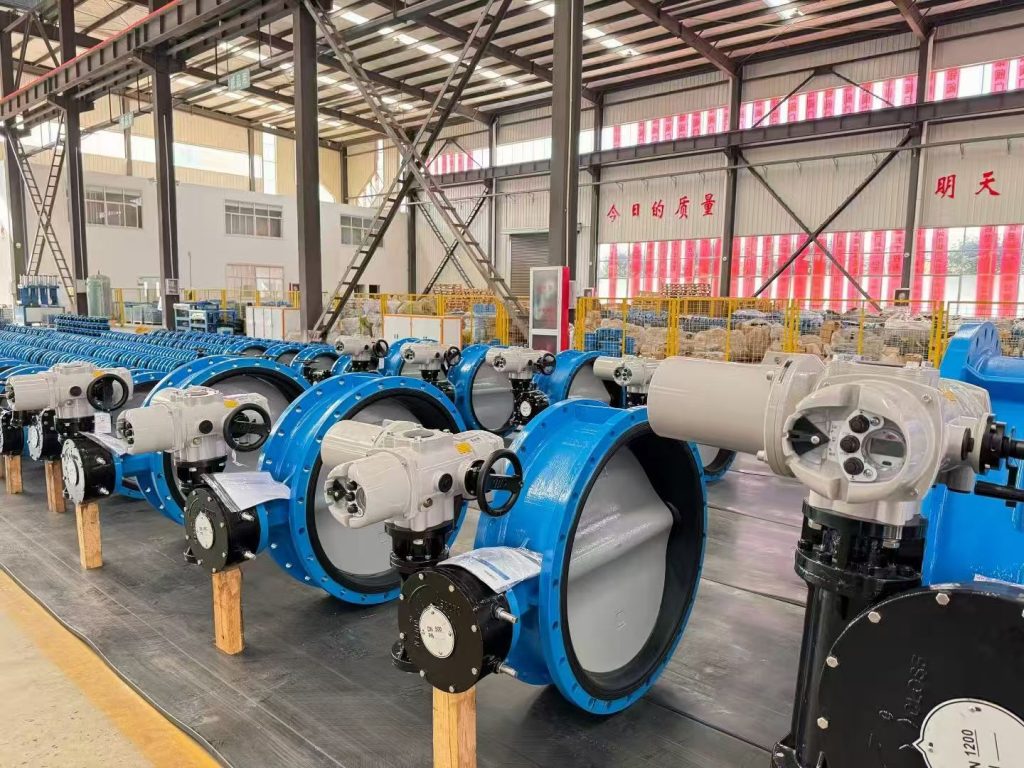
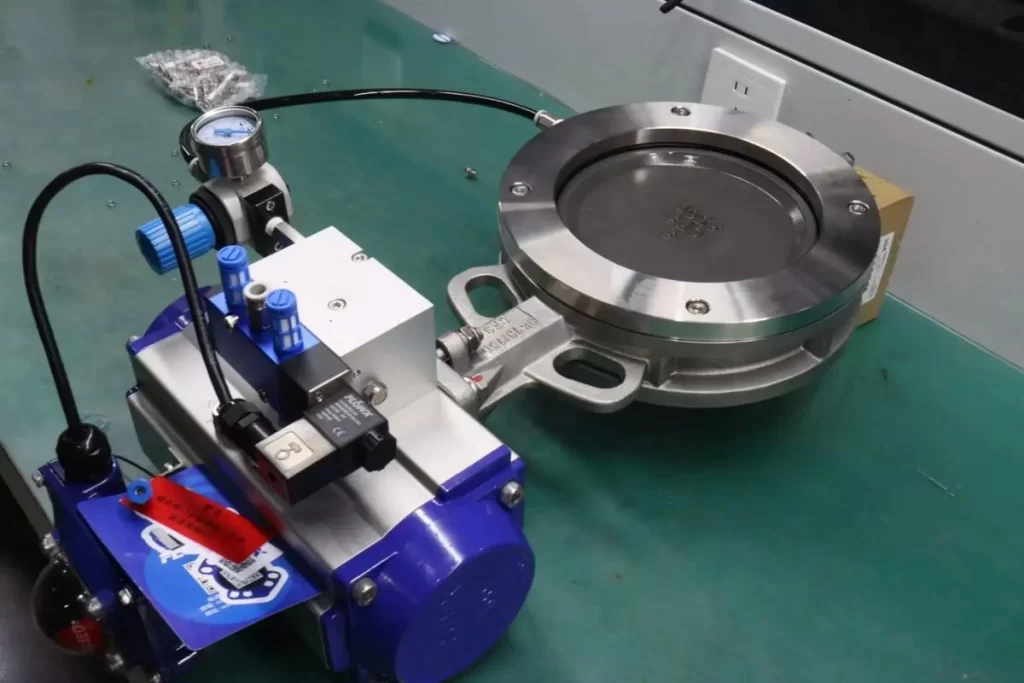
A pneumatic actuated valve application is commonly found in industrial automation systems where reliable flow control, remote operation, and process efficiency are required. By combining suitable valve bodies with pneumatic valve actuators, these systems provide automatic control of liquid and gas flow, helping industries improve efficiency, reduce manual work, and maintain consistent operation.
For applications involving frequent switching, precise process control, or integration with PLC and DCS systems, pneumatic actuated valves provide a practical solution for automated flow management. As a type of pneumatic flow control valve, they are widely used in industries such as chemical processing, water treatment, oil and gas, food production, and pharmaceutical production. This article explores their role in industrial automation systems, including process control functions, common valve configurations, industry-specific applications, and key considerations for selecting the right valve solution.
The Role of Pneumatic Actuated Valves in Automation Systems
In industrial automation systems, a pneumatic actuated valve application typically focuses on three key functions: controlling fluid flow, connecting field equipment with automation systems, and ensuring reliable operation in demanding processes. Acting as a bridge between mechanical valve components and modern control systems, pneumatic actuated valves help operators achieve automated, efficient, and consistent process management.
| Role | Function | Benefit |
|---|---|---|
| Flow Control | Automatically open, close, and regulate fluid flow | Improve process efficiency and consistency |
| System Integration | Connect valves with PLC, DCS, and SCADA systems | Enable remote monitoring and centralized control |
| Reliable Operation | Provide fast response and stable performance | Support continuous and safe industrial processes |
Automated Flow Control in Industrial Processes
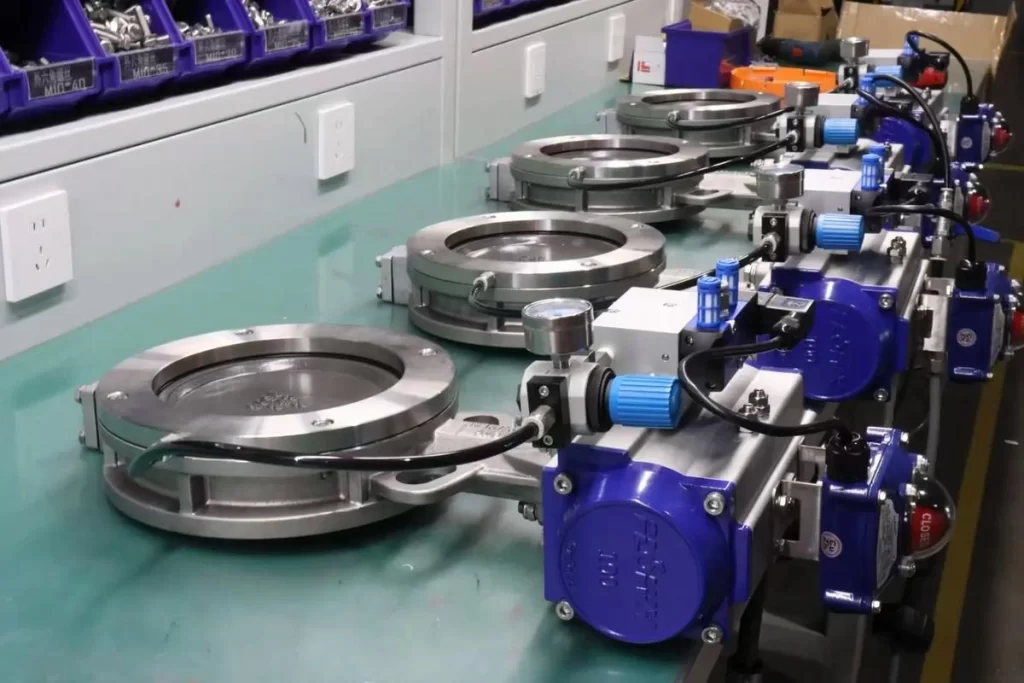
Pneumatic actuated valves are widely used for automated flow control by enabling precise opening, closing, and regulation of liquids, gases, and other process media. As a type of pneumatic flow control valve, they help maintain stable industrial flow control in systems that require frequent operation, consistent performance, and reduced manual intervention.
Integration with PLC, DCS, and SCADA Systems
Pneumatic actuated valves can be integrated with PLC, DCS, and SCADA systems to achieve centralized monitoring and automated process control. Through components such as solenoid valves and positioners, a pneumatic valve actuator receives control signals from automation systems, allowing operators to manage valve operation remotely and improve overall process visibility. For more details about actuator structures and working principles, please refer to our guide: Valve with Pneumatic Actuator: Configurations, Working Principles and Applications.
Fast and Reliable Operation for Automated Systems
Fast response and reliable operation are important reasons why pneumatic actuated valves are widely selected for industrial automation applications. Driven by compressed air, these valves can perform rapid switching and support high-cycle operations, while options such as spring-return actuators provide additional safety for processes that require dependable shut-off performance.
Key Industrial Applications of Pneumatic Actuated Valves
Pneumatic actuated valves are widely used across industries where automated flow control, reliable operation, and process safety are essential. Different industries have different operating conditions, so the selection of valve type, actuator configuration, and control requirements may vary depending on the application. The following table provides an overview of common industries using pneumatic actuated valves and their typical requirements.
| Industry | Typical Applications | Common Valve Solutions | Key Requirements |
|---|---|---|---|
| Chemical Processing | Chemical transfer, reaction systems, and process pipelines | Pneumatic ball valves, pneumatic butterfly valves | Corrosion resistance, safety, material compatibility |
| Water & Wastewater Treatment | Water distribution, filtration, and wastewater control | Pneumatic butterfly valves | Large flow capacity, cost efficiency, reliable operation |
| Oil & Gas | Pipeline systems, storage facilities, and processing units | Pneumatic ball valves | Fast shut-off, pressure resistance, hazardous environment suitability |
| Food & Beverage | Production lines, filling systems, and cleaning processes | Pneumatic ball valves, control valves | Hygiene requirements, easy maintenance, consistent operation |
| Pharmaceutical | Sterile processes and precise fluid handling | Pneumatic globe control valves | Accurate regulation, contamination prevention, process stability |
Chemical Processing Industry
Pneumatic actuated valves are widely used in chemical processing automation for controlling corrosive, hazardous, and demanding process media. Engineers commonly use them in chemical transfer systems, reaction pipelines, and automated isolation applications to achieve reliable shut-off and stable flow control. For these applications, engineers usually focus on material selection, sealing performance, and actuator reliability to ensure safe and continuous operation in complex chemical environments.
Common applications:
- Chemical transfer systems
- Reaction process pipelines
- Automated isolation systems
Key selection considerations:
- Material suitability
- Corrosion resistance
- Sealing reliability
- Pressure requirements
Water and Wastewater Treatment
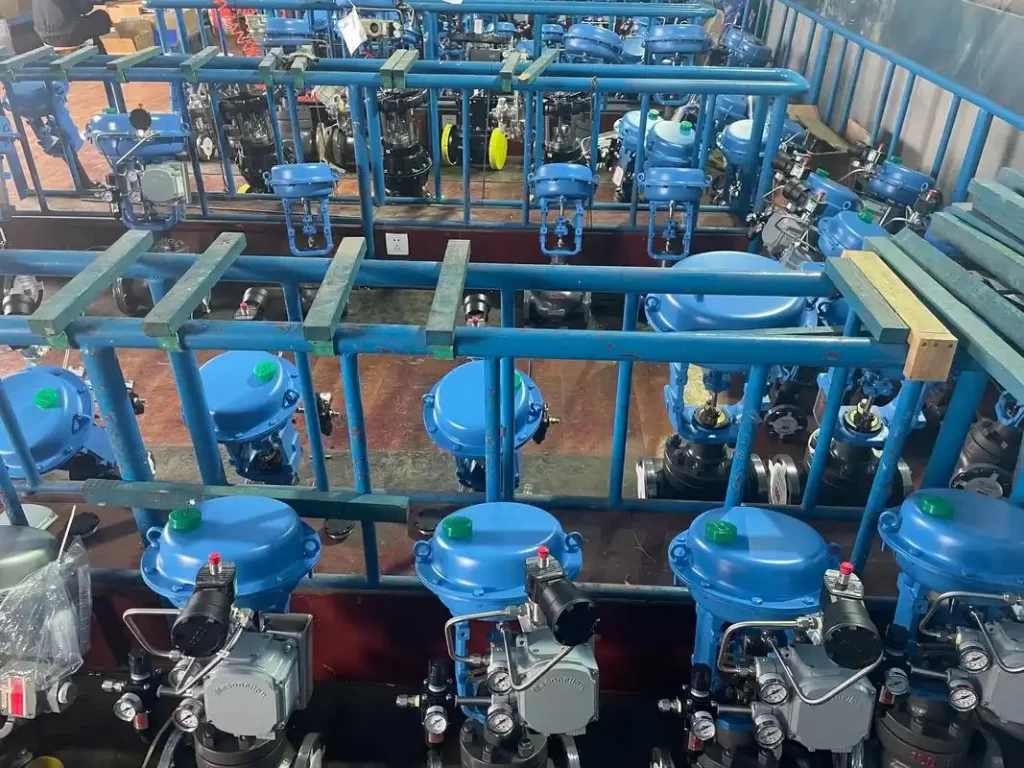
Pneumatic actuated valves play an important role in water treatment automation by providing reliable flow management in filtration, distribution, and wastewater control systems. Since these applications often involve large pipelines and continuous operation, pneumatic flow control valves are commonly selected for their efficient flow regulation, simple operation, and long service life. Valve selection usually depends on flow capacity, operating frequency, and compatibility with existing automation systems.
Common applications:
- Filtration systems
- Water distribution pipelines
- Wastewater treatment processes
Key selection considerations:
- Large flow capacity
- Operating frequency
- Cost efficiency
- Valve durability
Oil and Gas Industry
Pneumatic actuated valves are widely applied in oil and gas automation systems where safety, remote operation, and reliable process control are critical. They are commonly used in pipeline systems, storage facilities, and processing equipment to achieve fast shut-off and automated flow management. Due to demanding operating environments, engineers typically consider pressure ratings, actuator performance, fail-safe requirements, and suitability for hazardous areas when selecting valve solutions.
Common applications:
- Pipeline control
- Storage facilities
- Processing systems
Key selection considerations:
- Fast shut-off capability
- Pressure rating
- Hazardous environment suitability
- Fail-safe operation
Food and Beverage Industry
In food and beverage production, pneumatic actuated valves are used in automated processing systems that require hygienic operation and consistent process control. They are commonly integrated into production lines, filling systems, and cleaning processes where frequent operation and reliable performance are required. For food automation applications, valve materials, cleaning requirements, corrosion resistance, and stable cycling performance are important factors during selection.
Common applications:
- Production lines
- Filling systems
- Cleaning processes
Key selection considerations:
- Food-grade materials
- Easy cleaning
- Corrosion resistance
- Reliable cycling
Pharmaceutical Industry
Pneumatic actuated valves are applied in pharmaceutical automation systems where precise flow control, process stability, and contamination prevention are essential. They are commonly used in sterile processing, fluid handling, and production equipment where accurate regulation and reliable operation are required. When selecting valves for pharmaceutical applications, engineers typically evaluate control accuracy, material selection, cleanability, and compliance with strict process requirements. The U.S. Food and Drug Administration provides guidelines related to pharmaceutical manufacturing and process controls that help define these requirements.
Common applications:
- Sterile processing
- Fluid handling systems
- Production equipment
Key selection considerations:
- Control accuracy
- Cleanability
- Material compatibility
- Process stability
Why Pneumatic Actuated Valves Are Preferred for Industrial Automation
Fast Response and High Efficiency
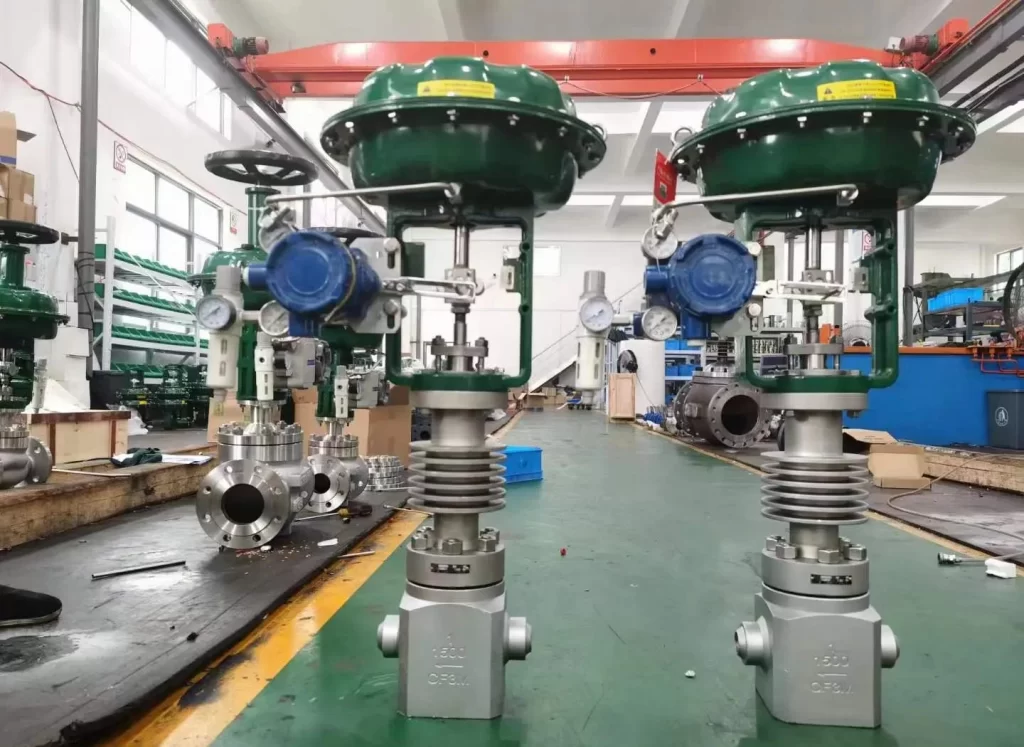
Pneumatic actuated valves are widely selected for industrial automation because they provide fast response and efficient operation. Driven by compressed air, they can quickly complete opening, closing, and switching actions, making them suitable for applications requiring frequent cycling and stable process control. Their reliable performance helps improve production efficiency and maintain consistent operation in automated systems.
Reliable Performance in Hazardous Environments
Pneumatic actuated valves are suitable for demanding industrial environments where safety and reliability are critical. Since pneumatic actuators use compressed air as the power source, they can be applied in applications with strict safety requirements, including oil and gas processing systems. With proper valve and actuator selection, they provide dependable shut-off and control performance in challenging conditions.
Simple Structure and Low Maintenance
The simple structure of pneumatic actuated valves makes them easier to maintain and troubleshoot during long-term operation. Compared with some automated valve solutions, pneumatic systems contain fewer complex electrical components, which can help reduce maintenance requirements and improve system availability. This makes them a practical choice for continuous industrial processes.
Cost-Effective Automation Solution
For many industrial automation projects, pneumatic actuated valves provide a balanced solution between performance, reliability, and cost. Their compatibility with common automation systems, stable operation, and reduced manual intervention make them an effective option for improving process efficiency while controlling overall investment
Common Pneumatic Actuated Valve Configurations in Automation
Different pneumatic actuated valve configurations are selected based on flow requirements, operating conditions, and control objectives. The most common solutions include pneumatic ball valves, pneumatic butterfly valves, and pneumatic globe control valves, each serving different automation applications.
| Valve Type | Typical Applications | Main Advantages |
|---|---|---|
| Pneumatic Ball Valve | On/off control, pipeline isolation, chemical and industrial processes | Fast operation, reliable shut-off, excellent sealing |
| Pneumatic Butterfly Valve | Large pipelines, water treatment, general industrial flow control | Compact structure, lightweight design, cost-effective flow control |
| Pneumatic Globe Control Valve | Precise regulation, continuous process control | Accurate adjustment, stable flow regulation |
For detailed valve selection guidance, please refer to our related guides on pneumatic ball valves, pneumatic butterfly valves, and pneumatic globe control valves.
FAQ: About Pneumatic Actuated Valves in Industrial
1. What are pneumatic actuated valves used for in industrial automation?
Pneumatic actuated valves are mainly used for automated flow control in industrial systems. They help control the opening, closing, and regulation of liquids, gases, and other process media while reducing manual operation. By connecting with automation systems such as PLC, DCS, and SCADA, pneumatic actuated valves enable centralized control and improve process efficiency. They are widely applied in industries including chemical processing, water treatment, oil and gas, food and beverage, and pharmaceutical manufacturing.
2. Why are pneumatic actuated valves preferred for industrial automation?
Pneumatic actuated valves are preferred for industrial automation because they provide fast response, reliable operation, and simple maintenance. Driven by compressed air, they can perform frequent switching operations while maintaining consistent performance in demanding environments. In addition, pneumatic systems can support fail-safe configurations, making them suitable for applications where process safety and operational reliability are important.
3. How do pneumatic actuated valves integrate with PLC, DCS, and SCADA systems?
Pneumatic actuated valves can be integrated with PLC, DCS, and SCADA systems through components such as solenoid valves, positioners, and feedback devices. The automation system sends control signals to operate the pneumatic valve actuator, allowing the valve to open, close, or adjust according to process requirements. This integration enables remote monitoring, centralized control, and improved visibility of industrial processes.
4. How do I choose the right pneumatic actuated valve for my application?
Choosing the right pneumatic actuated valve requires evaluating several factors, including process media, pressure, temperature, flow requirements, valve configuration, actuator type, and automation compatibility. Different applications may require different solutions, such as pneumatic ball valves for fast shut-off, pneumatic butterfly valves for large flow control, or pneumatic globe control valves for precise regulation. A proper selection should match both current operating conditions and long-term system requirements.
For a more detailed selection process, including how to evaluate valve types, actuator configurations, and application requirements, please refer to our guide: How to Choose a Cost-Effective Pneumatic Actuated Valve.
5. What industries use pneumatic actuated valves?
Pneumatic actuated valves are widely used in industries that require reliable automated flow control and process management. Common applications include chemical processing, water and wastewater treatment, oil and gas systems, food and beverage production, and pharmaceutical manufacturing. Each industry may require different valve configurations depending on factors such as media characteristics, safety requirements, flow conditions, and automation objectives.
Need a Valve Solution for Your Industrial Automation System?
WANVALVE provides reliable pneumatic actuated valve solutions for industrial automation applications. Contact us to discuss your system requirements and find the right valve solution for your project.