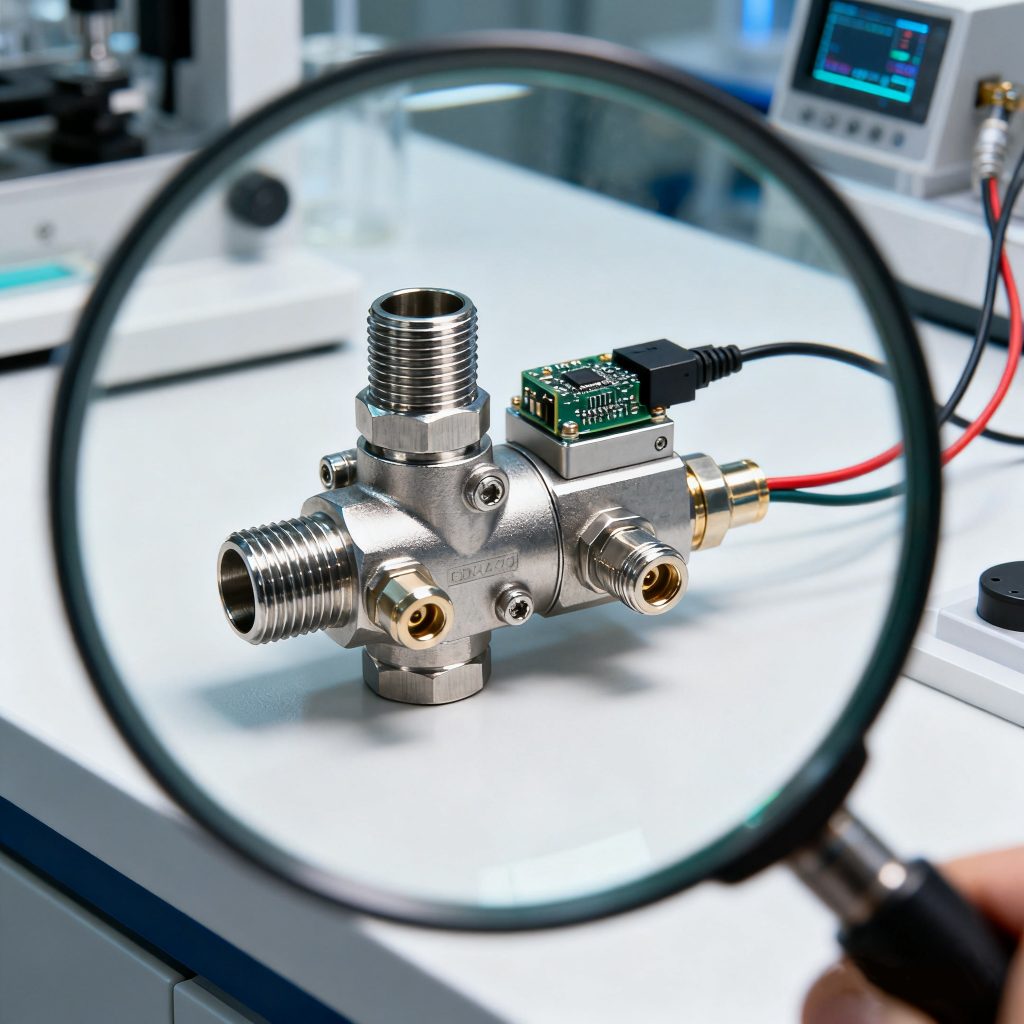
Steam systems operate under demanding conditions. High temperature, high pressure, and continuous thermal cycling place significant stress on pipeline components. To maintain safe operation and stable fluid flow, the valves used in these systems must be able to withstand these environments while providing reliable control.
In industrial facilities such as power plants, chemical processing units, and manufacturing plants, valves for steam systems play a critical role in managing pressure, isolating equipment, and regulating flow. Industrial valve classifications and applications are widely documented in engineering directories such as Metoree. Choosing the right valve design helps ensure efficient steam generation, reliable heat transfer, and long-term system stability.
Common Valves Used in Steam Pipelines
Several valve types are commonly installed in steam pipelines. Each design serves a different purpose, from simple isolation to precise flow regulation.
Globe Valves
Among the many valves used in steam systems, globe valves are one of the most common choices for controlling steam flow. Their internal structure forces the fluid to change direction as it passes through the valve body, allowing operators to regulate flow with a high degree of accuracy.
This design is particularly useful in systems where pressure control is important. By adjusting the valve position, operators can carefully manage the pressure drop across the valve and maintain stable operating conditions.
Globe valves are frequently used in applications involving saturated steam or superheated steam, especially in systems connected to process heating equipment or steam turbines.
Additional terminology and technical explanations related to industrial valve components can be found in resources such as WordDisk.
Gate Valves
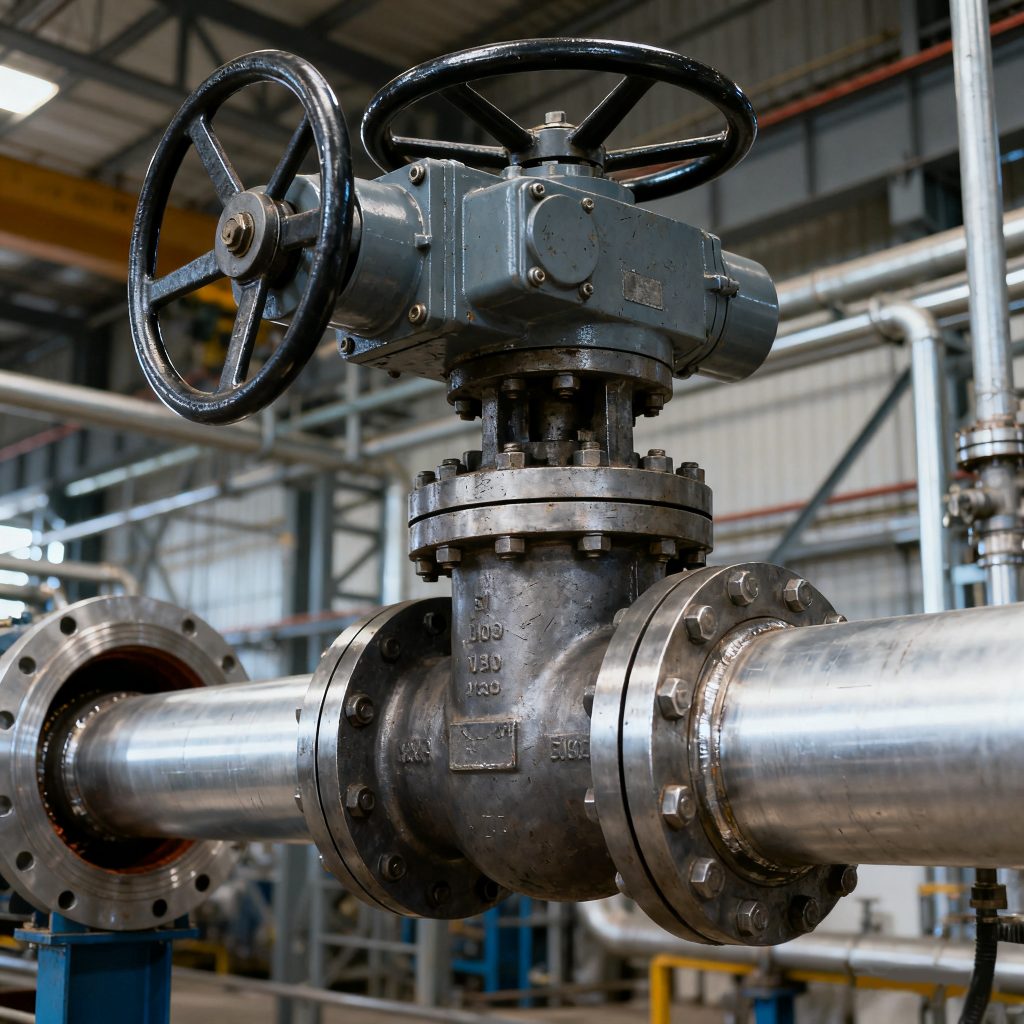
Gate valves are commonly used as isolation valves in steam pipelines. Unlike globe valves, they are not designed for throttling or regulating fluid flow. Instead, their function is simple: fully open or fully closed.
When the gate is completely lifted out of the flow path, the valve creates minimal pressure drop. This characteristic makes gate valves suitable for large pipelines carrying high volumes of saturated steam.
Gate valves often appear in main distribution lines within industrial steam systems, where uninterrupted flow is more important than precise regulation.
Ball Valves
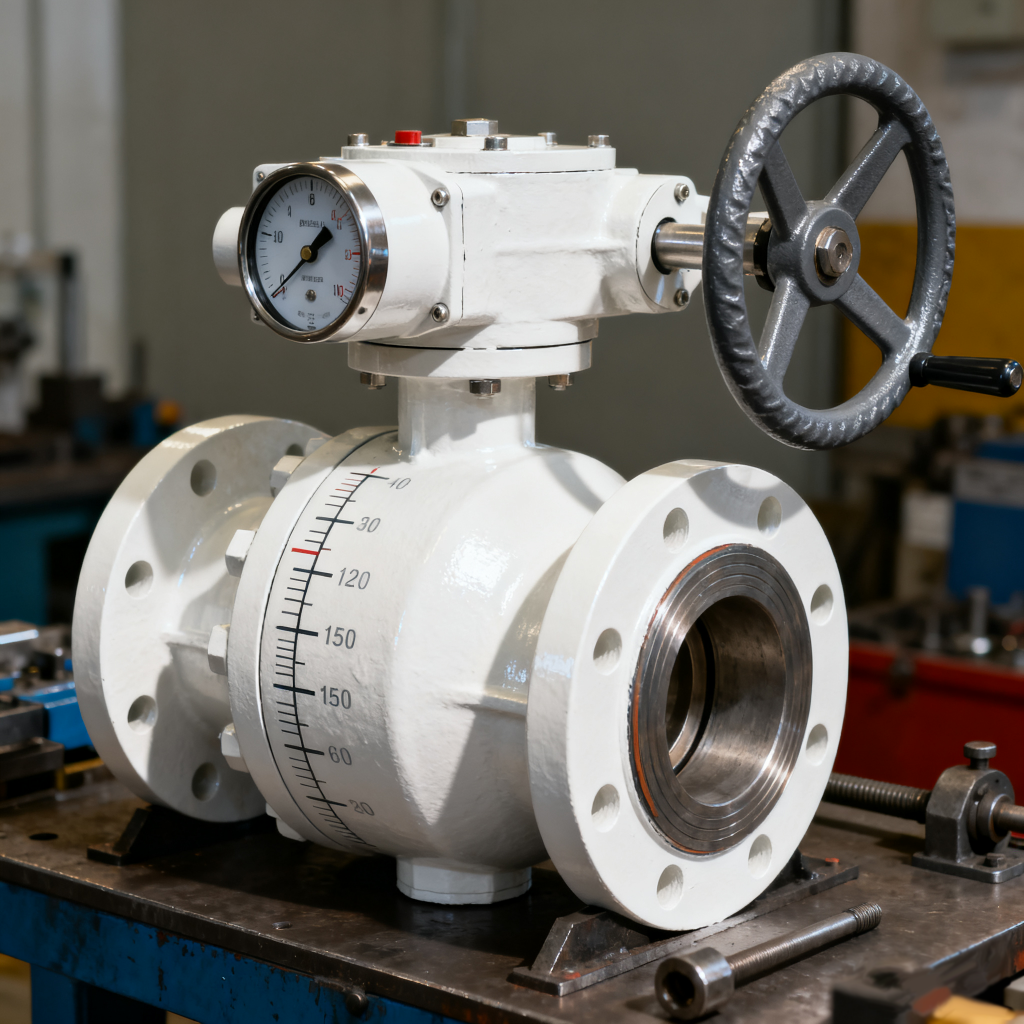
Ball valves are known for their fast operation and reliable shutoff. A quarter-turn motion allows the valve to open or close quickly, which can be useful in systems that require rapid isolation.
However, ball valves must be carefully selected for steam applications. High temperature and high pressure conditions can damage standard sealing materials if they are not designed specifically for steam service.
When properly engineered, ball valves can perform well in auxiliary steam circuits or smaller water systems connected to steam processes.
Control Valves
In many industrial facilities, steam control valves regulate pressure, temperature, or flow automatically. These valves are typically paired with actuators and automated control systems to maintain stable operating conditions throughout the plant.
Control valves play a particularly important role in applications involving:
Steam turbines
Heat exchangers
Process heating systems
Steam generation equipment
By adjusting valve position in response to system feedback, control valves help maintain efficient heat transfer while protecting equipment from sudden pressure fluctuations.
For engineers designing automation solutions in industrial steam systems, selecting a high quality control valve can be critical to ensuring stable operation.
Why Globe Valves Are Often Used for Steam Flow Control
Although multiple valve designs can operate in steam systems, globe valves remain the preferred option when precise steam regulation is required.
The reason lies in the internal geometry of the valve. Inside the body, the disc moves vertically toward the seat. This motion allows operators to adjust fluid flow gradually rather than simply switching it on or off.
That level of control becomes particularly important when dealing with superheated steam or live steam supplied to turbines. Even small adjustments in valve position can influence downstream pressure drop and affect how efficiently energy moves through industrial steam systems.
Another advantage is resistance to thermal stress. Steam pipelines frequently cycle between saturated steam and superheated steam conditions. A properly designed globe valve can tolerate these changes while maintaining reliable sealing performance.
For this reason, globe valves are commonly installed in sections of steam pipelines where flow regulation is required rather than simple isolation.
How to Choose the Right Steam Valve
Selecting the right valve for steam systems depends on several operating factors, including pressure level, temperature range, and the specific application within the pipeline.
Engineers typically evaluate:
Operating pressure and expected pressure drop
Saturated steam versus superheated steam conditions
Data from steam tables to determine thermodynamic properties
Required flow control accuracy
Maintenance accessibility and service conditions
Because steam applications vary widely across industries, choosing the correct valve usually requires careful engineering analysis.
Conclusion
Steam systems rely on multiple types of valves to maintain safe and efficient operation. Globe valves, gate valves, ball valves, and control valves each serve specific roles within steam pipelines.
Among these options, globe valves remain a common choice when accurate steam flow control is required, particularly in high temperature and high pressure environments.
Understanding how each valve functions helps engineers design more reliable steam generation and heat transfer systems.
FAQ
What type of valve is best for steam systems?
The best valve for steam systems depends on the application. Globe valves are commonly used for flow control, while gate valves or ball valves are often used for isolation. In automated processes, steam control valves regulate pressure and temperature.
Can ball valves be used in steam systems?
Yes, ball valves can be used in steam systems if they are designed for high temperature and high pressure service. Standard water valves may fail when exposed to live steam conditions.
Are butterfly valves suitable for steam pipelines?
Butterfly valves can be used in some steam pipelines, especially in large-diameter or lower-pressure systems. However, for high pressure steam, globe valves or gate valves are usually preferred.
Why are steam traps used in steam systems?
Steam traps remove condensate from steam pipelines while preventing steam loss. This helps maintain efficient heat transfer and protects the system from water hammer.
How are steam valves sized?
Engineers use steam tables and flow calculations to determine valve size. Proper sizing ensures stable fluid flow and prevents excessive pressure drop in the steam system.
About Products
Thanks for taking the time to read our article. In many industrial steam systems, accurate flow regulation is essential for maintaining stable pressure and efficient heat transfer. For these applications, globe control valves are widely used because of their precise throttling capability and reliable sealing performance.
At WANVALVE, we provide tailored solutions and high-quality globe control valves for steam systems, helping engineers achieve reliable and efficient steam control.