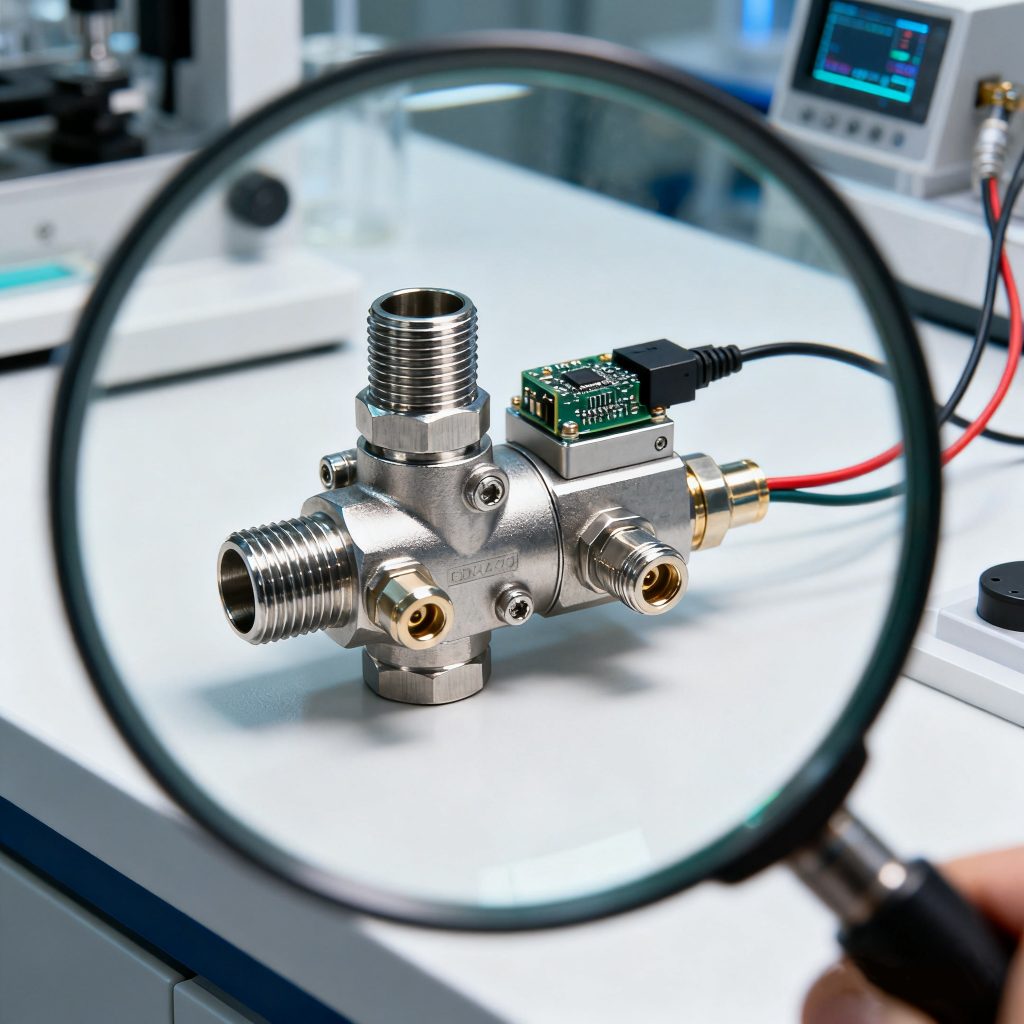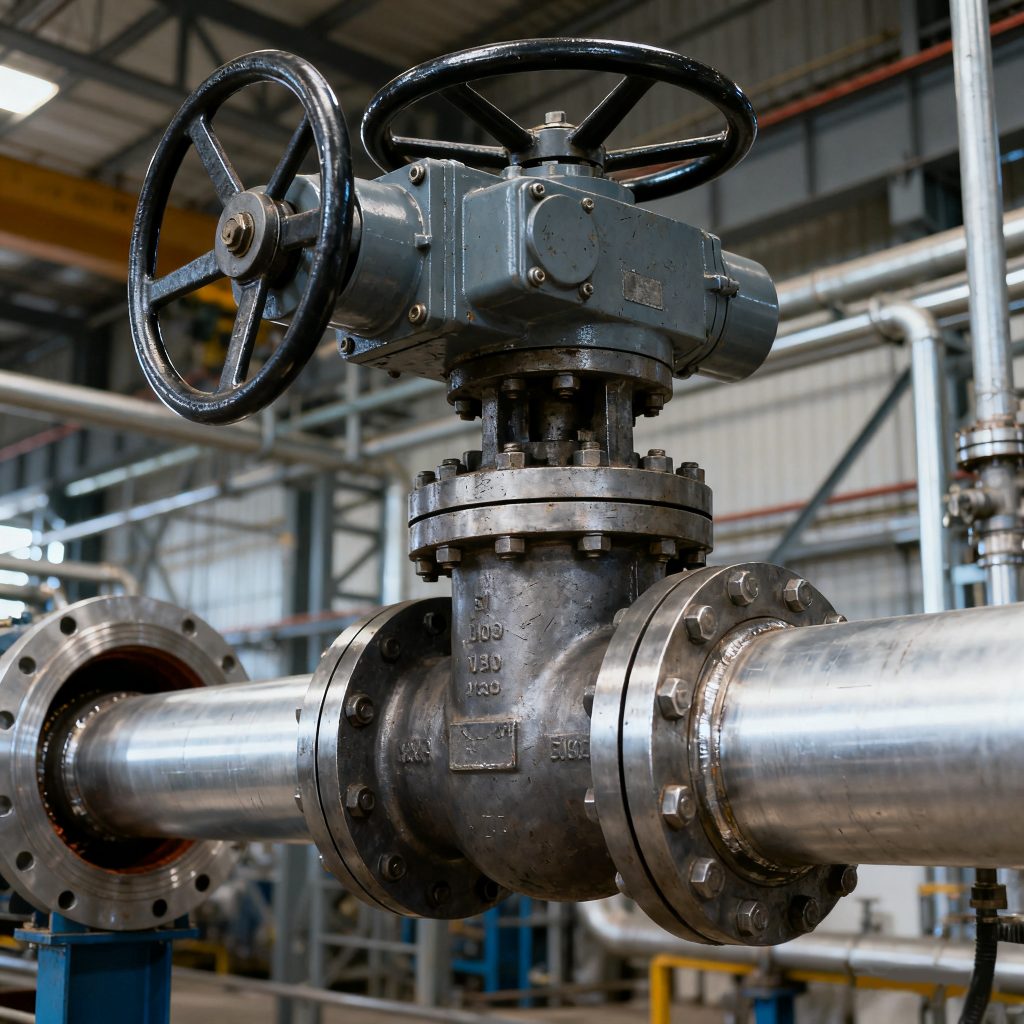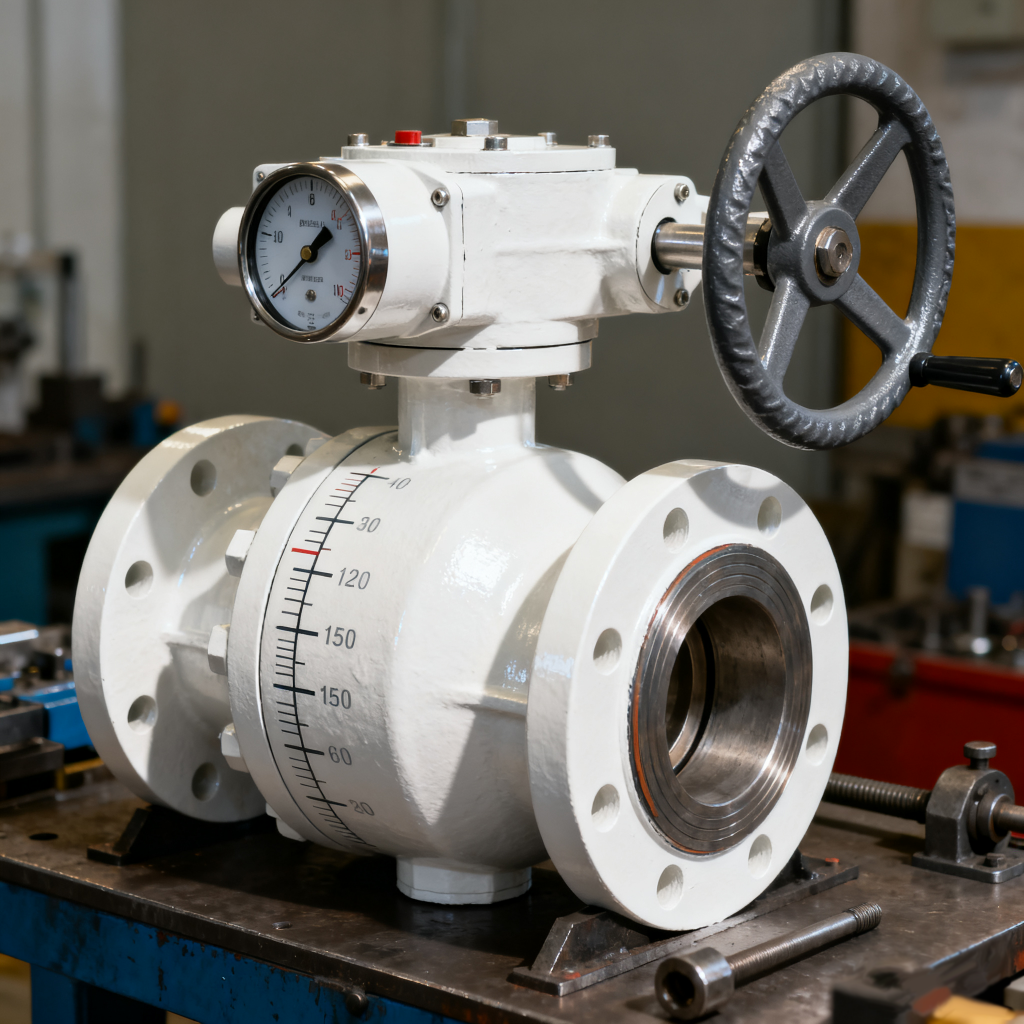
Choosing the right pneumatic butterfly valve can save time, money, and hassle. These valves efficiently control the flow of water, chemicals, or air. Picking the right valve body, pneumatic actuator, and pressure rating keeps your system running smoothly and safely. Understanding how gate valves, ball valves, and actuated butterfly valves differ helps you make the best choice. Learn more at butterfly-valves.org.
Understanding Pneumatic Butterfly Valves
Pneumatic butterfly valves are different from other valve types because they combine compact design with fast actuation and reliable sealing. These valves serve industries such as water treatment, chemical plants, food and beverage processing, and HVAC systems. Their quarter turn operation allows for quick opening and closing, which improves system responsiveness and efficiency. These valves offer versatile options, including resilient seated, double offset, or triple offset designs for different applications.

Step One: Define Your Application Needs
Start by identifying what you need the valve to do. Do you need a tight shut for high pressure, or just to regulate flow? Resilient seated butterfly valves are great for general control, while a triple offset butterfly valve or high performance quarter turn valve can handle more demanding applications. Also, consider whether a spring return or double acting pneumatic actuator fits your automation system.
Step Two: Select the Connection Type
Butterfly valves come in various connection styles. Wafer style is common and cost-effective for pipelines that need easy installation (fluidhandlingpro.com). Lug type allows maintenance without shutting down the system.
Make sure the connection type matches your system’s pressure rating and size. Comparing with gate valve or ball valve connections can also help in complex piping setups.
Step Three: Choose Valve Body Material
The valve body material affects durability and chemical resistance. Ductile iron is strong and affordable, stainless steel resists corrosion, and high-performance actuated butterfly valves may use special alloys. Choosing the right valve body ensures long service life and reduces maintenance costs.
Step Four: Pick Disc and Seat Materials
Disc and seat materials impact flow control and sealing. Resilient seated discs provide bubble tight closure, while double offset designs reduce wear for high pressure systems. Make sure the materials match the fluid type to avoid corrosion or leakage. Fully open operation should also be smooth to avoid pressure drop.
Step Five: Consider Operating Conditions
Check your system’s pressure rating, temperature, and type of medium. High pressure or abrasive fluids require durable materials and double acting pneumatic actuators. Use stainless steel or special alloys when handling sour or corrosive liquids. Understanding operating conditions ensures reliable performance and safety.
Step Six: Size the Valve Correctly
Choosing the right valve size prevents problems like pressure drop or incomplete shut. Oversized butterfly valves are inefficient, while undersized valves may not fully open. Use flow calculations and consider quarter turn or double offset mechanisms to match your system.
Step Seven: Match the Right Actuator
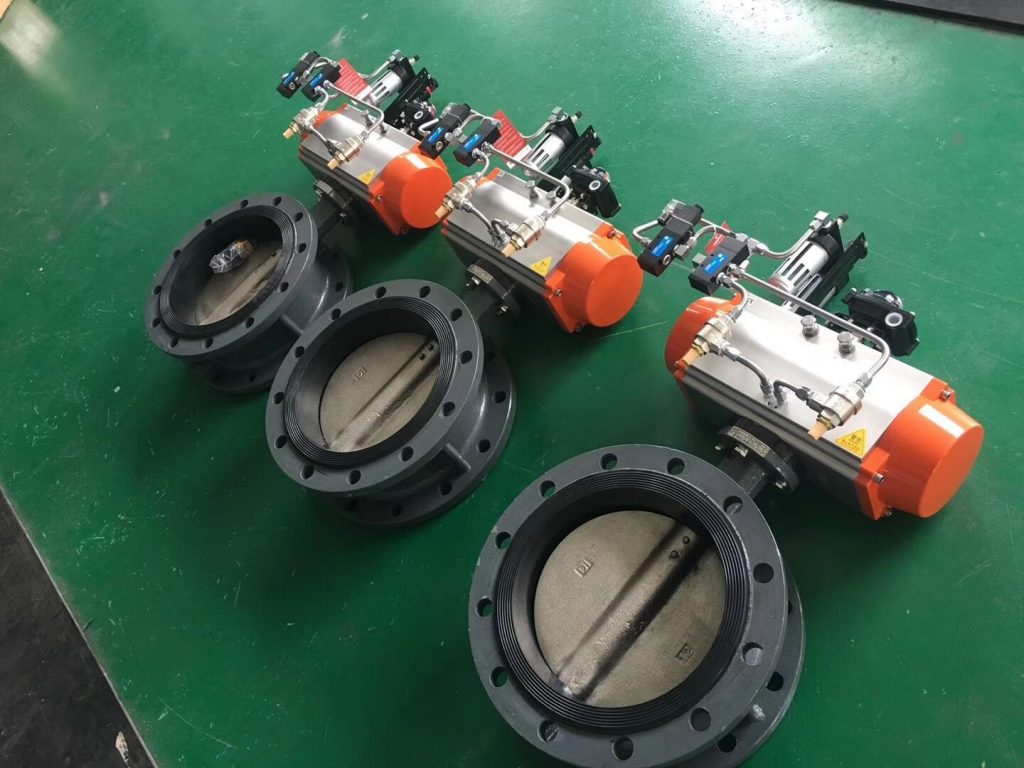
Pneumatic actuators control valve movement. Single-acting spring return actuators are safe for fail-close applications, while double acting actuators offer precise control. Make sure the actuator torque matches the valve type, whether resilient seated, triple offset, or wafer style. Automation integration improves efficiency and reliability.
Additional Considerations
When selecting a pneumatic butterfly valve, consider industry standards and certifications such as ISO, FDA, CE, or ATEX. In hazardous environments, explosion-proof designs are crucial. Evaluate maintenance and serviceability by choosing valves with easily replaceable parts to reduce downtime. Balancing cost and performance ensures long-term value for your system.

Benefits of Selecting the Right Pneumatic Butterfly Valve
Selecting the correct valve improves operational efficiency and process reliability. It enhances safety in high-risk environments, lowers long-term maintenance costs, and extends service life, minimizing downtime. Choosing actuated butterfly valves that match your system ensures consistent performance and reduces the risk of failures.
Case Examples
In the food and beverage industry, CIP/SIP-friendly valves help maintain hygiene standards. Chemical processing plants benefit from corrosion-resistant materials for harsh media. HVAC and water treatment systems rely on durable yet cost-effective solutions. The oil and gas industry often requires explosion-proof actuators for safe operation in volatile conditions.
Tips for Working with Valve Suppliers
Preparing the right technical specifications before purchase can simplify procurement. Ask suppliers about material compatibility, actuator torque, and system integration. Partnering with experienced manufacturers adds value and ensures long-term reliability.
Future Trends in Pneumatic Butterfly Valves
Smart actuators and digital monitoring systems are becoming more common. Advances in sealing technology allow valves to withstand extreme conditions. Lightweight materials improve energy efficiency in pipelines while maintaining durability and performance.
Common Mistakes to Avoid
Ignoring chemical compatibility between the medium and valve materials can cause failures. Overlooking actuator torque requirements may lead to improper operation. Choosing valves based solely on price can result in higher lifecycle costs. Failing to check the availability of replacement parts and service support can increase downtime.
Conclusion
Proper valve selection saves money, prevents downtime, and ensures safety. Use these butterfly valves for versatile applications, and choose the right valve body, actuator, and pressure rating while accounting for operating conditions to ensure high performance. Consult suppliers and experts to choose the best actuated butterfly valves for your system. For more resources on butterfly valves, visit fluidhandlingpro.com.
About Products
Thanks for taking the time to read our article. To learn more about our solutions and products, check out our Pneumatic Butterfly Valves for detailed specifications and options.